
Understanding the Fixated Mind: Pathways to Letting Go
A fixated mind is not a broken mind, but it can quietly drain your peace, focus, and relationships. This post explores why the mind gets stuck, what fear sits underneath fixation, and how to practice letting go with steadiness, trust, and compassion.
Derek Innes
1/26/20264 min read
What Does It Mean to Have a Fixated Mind?
A fixated mind refers to a cognitive state where an individual becomes excessively focused on a particular thought, idea, or issue. This fixation often leads to repetitive thinking patterns, where the mind cycles through the same thoughts without arriving at new solutions or perspectives. Characteristics of a fixated mind can include an overwhelming need to analyze every detail of a situation, which may result in overthinking or rumination. When someone consistently fixates on specific thoughts, it can profoundly impact their overall mental well-being.
Daily life can be significantly affected by fixation. For instance, an individual might find themselves obsessing over a minor mistake made in a meeting, constantly replaying the scenario in their mind, which not only consumes their mental energy but also disrupts their peace of mind. Such fixations can also manifest in relationships, where a person may become preoccupied with perceived slights or misunderstandings, leading to misunderstandings and conflicts with others.
Common examples of fixations include the tendency to second-guess decisions or excessively strive for perfection, which are both manifestations of a fixated mind. People may also fixate on others' opinions, leading to feelings of inadequacy or anxiety regarding social interactions. The inability to shift focus from these fixated thoughts often results in decreased attention to present responsibilities and opportunities, affecting productivity and overall satisfaction in life.
Understanding these characteristics of a fixated mind is essential, as it can help individuals identify their thought patterns and recognize when they are engaging in unproductive fixation. This acknowledgment is the first step towards fostering mental clarity and achieving a greater sense of peace.
The Underlying Fears Behind Fixation
Fixation is often more than a mere obsession; it is intricately linked to deeper psychological fears and anxieties. Individuals experiencing fixation may encounter a variety of underlying sentiments that shape their behavior and emotional landscape. One significant driver of this fixation is the fear of uncertainty, which can lead individuals to cling to specific thoughts, people, or situations as a means of finding stability in a chaotic world.
Often, these fears may originate from past experiences that instilled a sense of insecurity. For instance, an individual who experienced abandonment in childhood may develop fixation as a protective mechanism to ward off feelings of loss. This attachment can manifest as a compulsive focus on relationships or projects, driven by a desire to regain a semblance of control. Moreover, the fixation may serve to distract from deeper emotional pain or unresolved issues, providing a temporary escape from confrontational realities.
In addition, the pursuit of control may stem from a low sense of self-esteem. Individuals may fixate on certain life aspects to project an image of success and capability, often masking feelings of inadequacy. This aspect of fixation underscores the intricacies of human psychology, revealing how insecurities can translate into persistent thoughts or behaviors. Furthermore, the anxiety associated with these fears can perpetuate the fixation cycle, making it increasingly difficult to break free from these patterns of thought.
Recognizing these fears is crucial for individuals seeking to understand the roots of their fixation. By reflecting on these underlying anxieties, one may be able to disentangle themselves from their fixative thoughts and embark on a path towards emotional well-being. Addressing these fears openly can lead to healthier coping strategies, enabling personal growth and resilience.
The Consequences of a Fixated Mindset
A fixated mindset can manifest in various aspects of an individual's life, leading to significant personal and professional ramifications. By remaining entrenched in certain thoughts or ideas, individuals may experience heightened stress levels, which could ultimately compromise their mental and emotional well-being. This relentless focus can create a ripple effect, impacting personal relationships, as friends and family may find it difficult to connect with someone who is persistently absorbed in a singular perspective.
One of the most notable consequences of a fixated mindset is its interference with effective decision-making. When individuals are fixated on a particular outcome or belief, they often overlook alternative solutions or viewpoints. This limitation not only hinders creativity but also reduces the ability to adapt to changing circumstances, making it difficult to forge ahead in both personal and professional environments. Consequently, the individual's problem-solving capabilities become stifled, potentially leading to missed opportunities.
Furthermore, a sustained fixation can result in feelings of isolation and frustration. The inability to release certain thoughts can create a cycle where individuals withdraw from social interactions or feel misunderstood by those around them. As their fixation deepens, they may perceive the world through a distorted lens, causing relational tensions with others who do not share or understand their perspective. This often leads to an unfulfilling and discontented experience of life, marked by a lack of joy and an absence of satisfaction.
Ultimately, reflecting on personal experiences with fixation is crucial for understanding its broader implications. Acknowledging how a fixated mindset affects decision-making, creativity, and relationships may lead to greater awareness and the possibility for positive change. Increasing recognition of these consequences could motivate individuals to seek healthier thought patterns and embrace a more adaptive mindset.
Practicing Letting Go with Steadiness, Trust, and Compassion
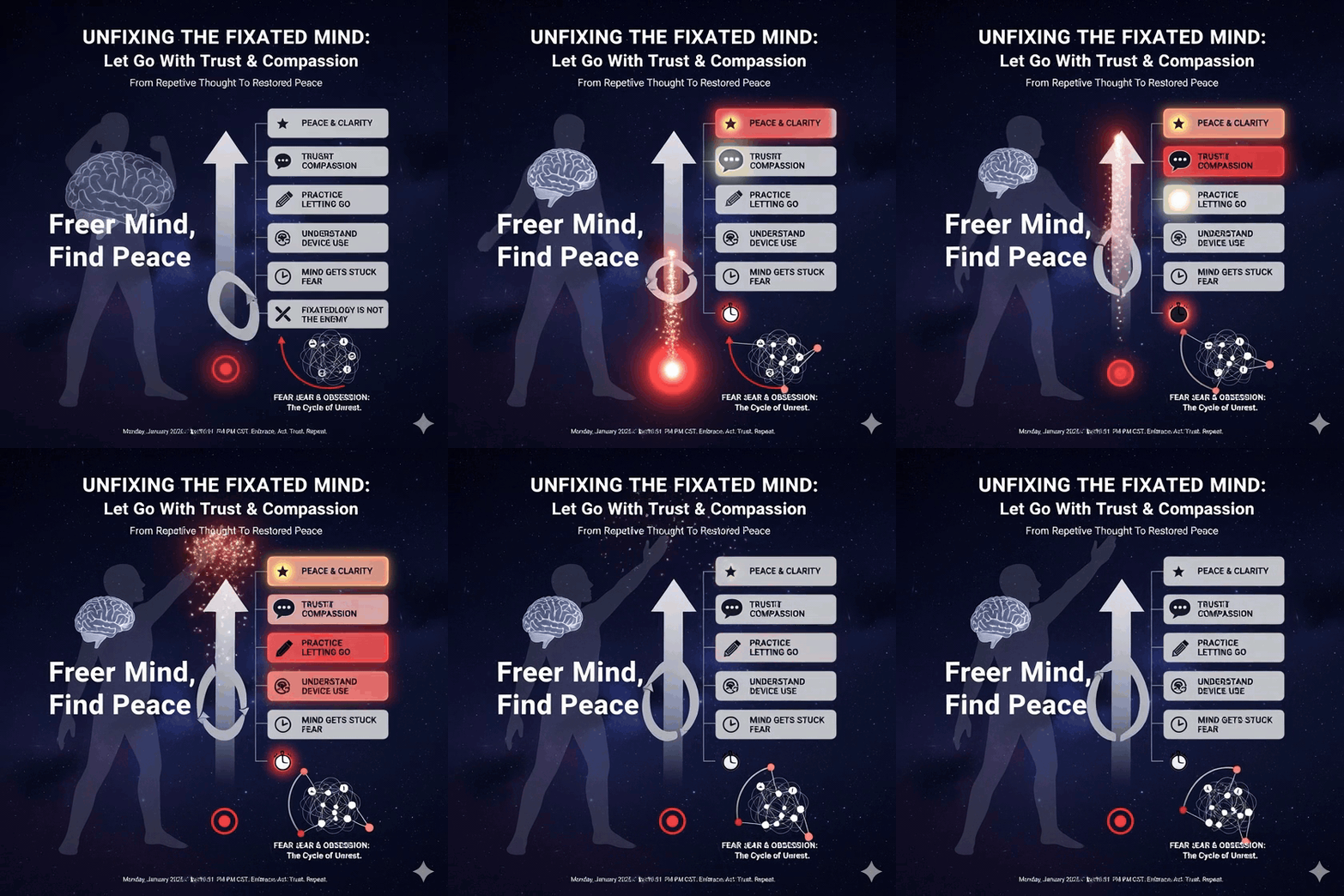
Letting go is a conscious practice that requires dedication and mindfulness. To navigate this journey effectively, cultivating steadiness, trust, and self-compassion is crucial. These foundational elements can guide individuals as they learn to disengage from fixation and embrace mental freedom.
One effective strategy for letting go is engaging in mindfulness exercises. For instance, practicing focused breathing can help anchor the mind in the present moment. This technique involves taking deep breaths, observing thoughts without judgment, and gently redirecting attention back to the breath when distractions arise. Over time, this can foster a greater sense of calm and clarity, allowing for more effective letting go of persistent thoughts or emotions.
Journaling is another powerful tool. Individuals can set aside time each day to reflect on their thoughts and feelings. Writing prompts such as "What am I holding onto?" or "How does this fixation serve me?" encourage deeper exploration and understanding of one’s fixation. This practice not only enables individuals to articulate their feelings but also facilitates the examination of underlying beliefs and emotions tied to their fixation.
In addition, gentle physical practices, such as yoga or tai chi, can help integrate mind and body. These practices promote relaxation and self-awareness while providing an outlet for releasing tension associated with fixation. As participants flow through gentle movements, they can focus on both physical sensations and mental release, reinforcing the practice of letting go.
Lastly, it is essential to exercise patience and self-kindness throughout this process. Letting go is not an overnight achievement; it is a gradual journey. Recognizing that setbacks are a natural part of growth can help foster a sense of trust in oneself. Being compassionate towards oneself creates a supportive environment where letting go can flourish, allowing for healthier emotional landscapes and increased overall well-being.