
Transforming Obligation into Aliveness: A Simple Practice for Daily Presence
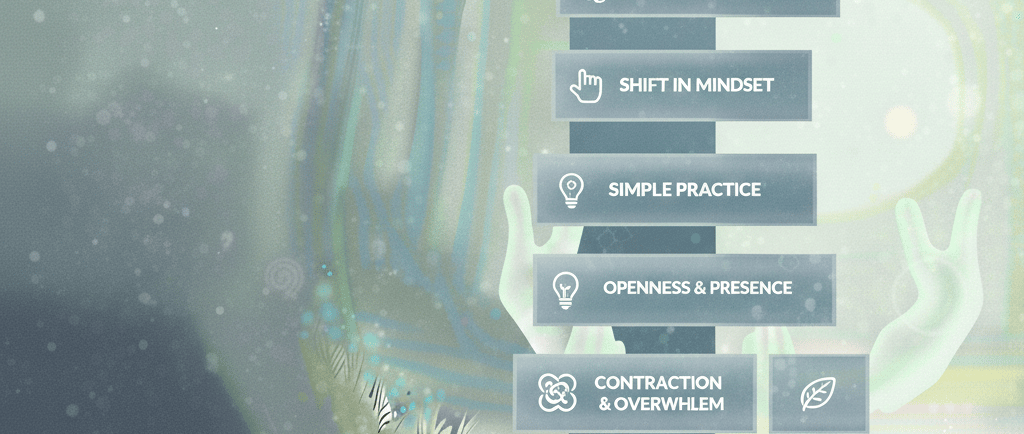
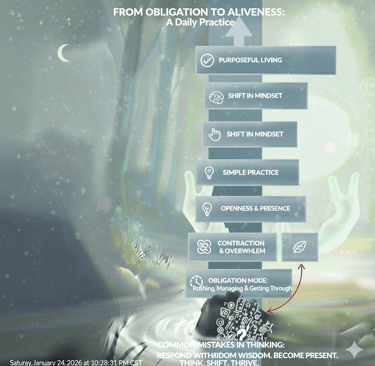
Most days are spent in obligation mode—rushing, managing, and getting through what we “should” be doing. This post offers a simple practice to shift from contraction and overwhelm into openness, presence, and aliveness—starting today.
Derek Innes
1/25/20264 min read
Understanding Obligation Mode: The Daily Rush
In today's fast-paced society, many individuals find themselves operating in what can be termed as "obligation mode." This state is characterized by a relentless pace of daily responsibilities and commitments, where individuals are often driven by societal expectations and personal duties. As we navigate through our routines, this rush to meet various obligations can lead to a sense of disconnection from our present experiences.
The daily rush manifests in numerous ways. Consider a typical morning: the alarm goes off, and immediately, one is thrust into a flurry of activities—getting dressed, preparing meals, and ensuring that everything is in order before heading out the door. This often results in a hurried breakfast that is consumed absentmindedly, further distancing the individual from their immediate experience. Such scenarios reflect a deeper issue—a chronic inability to pause and engage with the present moment.
Operating in obligation mode can carry detrimental effects on both mental and physical health. Chronic feelings of stress and overwhelm resulted from constantly juggling various demands can lead to increased anxiety levels, exhaustion, and a diminished quality of life. Moreover, the perpetual cycle of rushing often engenders a sense of disconnection from oneself and others, making it challenging to experience genuine joy or fulfillment in daily activities.
Common examples include rushing through tasks at work to meet tight deadlines, failing to savor the enjoyment of social gatherings due to preoccupation with thoughts of what needs to be done next, or skipping self-care practices altogether in favor of checking off obligations. Each of these scenarios contributes to a pattern that compromises individual well-being, highlighting the need to recognize and address the characteristics of obligation mode in our lives.
The Impact of Contraction on Our Lives
Contraction is a common emotional and physical response we experience when faced with overwhelming obligations. This phenomenon can significantly impact our overall well-being by limiting our emotional and physical energy. When we find ourselves in a state of contraction, the gradual build-up of stress can lead to feelings of anxiety and fatigue, ultimately diminishing our capacity for creativity and productivity.
As we succumb to this pressure, we may notice a reduction in our enthusiasm for tasks that once brought joy. This state suppresses our motivation, making it increasingly difficult to engage fully with our responsibilities. Creativity often flourishes in an open and expansive mental space, and contraction can stifle this, leading to a stark decline in our ability to innovate or think outside the box.
Notably, signs of contraction can include physical tension, irritability, avoidance of direct communication, and a tendency to withdraw from social interactions. Recognizing these signs is crucial, as they can serve as early indicators that obligations are beginning to overwhelm us. Furthermore, being in a contraction state can adversely affect not only our relationship with ourselves but also our connections with others. When we are closed off and emotionally drained, we may inadvertently project this state onto our interactions, leading to misunderstandings and conflicts in our relationships.
To combat the negative effects of contraction, it is essential to foster a sense of presence throughout our daily routines. Adopting practices such as mindfulness and self-reflection can help mitigate the grip of obligation and allow us to reclaim our aliveness. Overall, remaining vigilant to the signs of contraction equips us to make conscious choices that enhance our emotional and physical vitality, ultimately transforming our experience of daily life.
Introducing a Simple Practice: Shifting to Openness and Presence
In today's fast-paced world, many individuals find themselves trapped in a cycle of obligations that cultivates a sense of contraction rather than aliveness. To counter this, implementing a simple yet effective practice focused on mindfulness, breathwork, and physical movement can significantly enhance daily presence. This section outlines a step-by-step approach to facilitating a shift towards openness, ultimately enriching one’s experience of life.
Begin your day with a brief moment of stillness. Find a quiet spot, close your eyes, and take a few deep breaths. Focus on inhaling deeply, allowing your abdomen to expand, and exhaling gently, releasing any tension. This initial breathwork fosters a sense of peace, setting a tone of openness for the day ahead.
Next, integrate a physical movement routine. Engaging in light stretches or yoga can invigorate your body and awaken your senses. As you perform each movement, maintain awareness of the sensations coursing through your body. This practice enriches your connection to the present moment and promotes aliveness.
Throughout your day, consciously return to your breath during moments of stress or obligation. When feelings of dread or contraction arise, take a moment to pause and breathe deeply. This simple act can shift your perspective, reintroducing a sense of presence and calmness. Consider carrying a reminder, such as a small stone or a note, to prompt this practice whenever you feel overwhelmed.
Incorporating these practices into your routine can transform your experience of obligation into a state of mindfulness and presence. As with any practice, consistency is key. By engaging in this approach daily, you foster a profound connection to your surroundings, allowing the richness of life to unfold more fully.
Embracing Aliveness: Long-Term Benefits of the Shift
Embracing a life centered around aliveness, as opposed to mere obligation, offers numerous long-term benefits that extend beyond immediate satisfaction. This practice encourages individuals to prioritize presence in their daily activities, fostering an environment where joy, creativity, and fulfillment can flourish. The shift from obligation to aliveness acts as a catalyst for transformation in various aspects of life.
One significant benefit of this transition is the enhancement of relationships. When individuals practice aliveness, they become more engaged and present in their interactions. This heightened presence allows for deeper connections, as individuals exhibit genuine interest and empathy towards others. Consequently, such enriched friendships and partnerships lead to increased support and mutual understanding in personal and professional environments.
Moreover, cultivating a mindset of aliveness can significantly improve focus and productivity. When one engages fully in the present moment, distractions diminish, and tasks become more manageable. This sustained focus not only enhances performance but also nurtures creativity. Engaging in activities with a sense of aliveness encourages innovative thinking and problem solving, pushing the boundaries of what is achievable.
Emotional resilience is another crucial long-term benefit arising from the commitment to living with aliveness. The practice empowers individuals to navigate life's challenges with a balanced mindset. As one builds capacity to stay present, emotional disturbances tend to diminish, leading to improved stress management and enhanced adaptability. This resilience fosters a healthier relationship with oneself and the external world, allowing for a more proactive approach to life’s complexities.
In conclusion, the journey towards embracing aliveness yields profound advantages in various spheres of life. By committing to this transformative practice, individuals can experience a ripple effect of positive changes, promoting a richly fulfilling existence marked by genuine connections, increased creativity, and emotional well-being.