
The Need for Boredom
In a world built around constant stimulation, boredom has become something we try to escape at all costs. This post explores why boredom is not a problem to fix, but a powerful practice that helps us reconnect with ourselves, build emotional resilience, and regain clarity in a noisy digital age.
Derek Innes
1/22/20262 min read
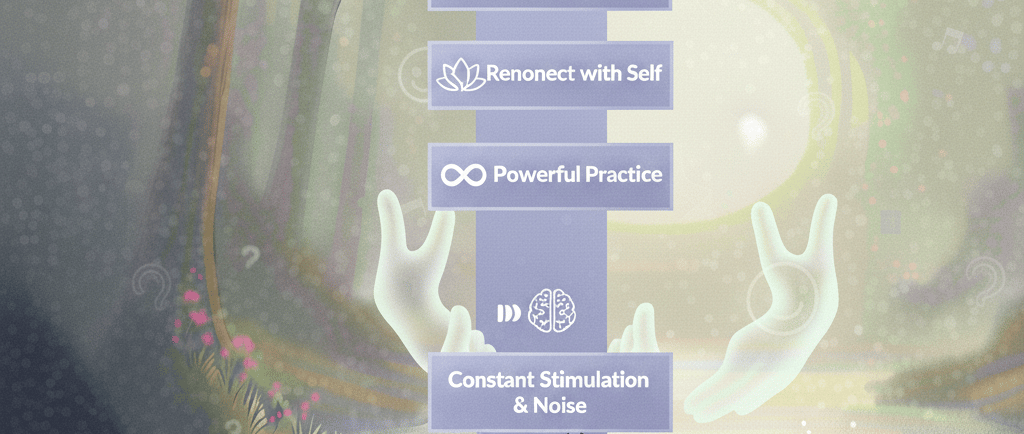
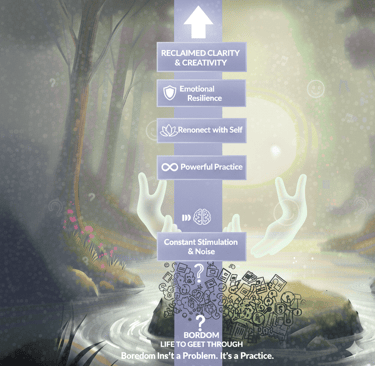
Most people are uncomfortable with boredom. The moment there is nothing to do, no task demanding attention, and no stimulation available, a subtle sense of restlessness appears. That restlessness often pushes us toward distraction. We reach for our phones. We scroll. We snack. We look for something, anything, to fill the space.
What many people do not realize is that this instinct to escape boredom causes us to miss something essential. Boredom is not an empty state. It is an entry point.
When we allow ourselves to do nothing, without distraction or productivity, something deeper begins to surface. Thoughts that were previously drowned out by noise become audible. Emotions we have been avoiding ask to be felt. Insights about our lives, our habits, and our direction begin to emerge naturally.
Very few people intentionally practice boredom anymore, yet it is one of the most grounding and clarifying things you can do for yourself.
A simple way to begin is to create a daily period of undistracted time. Thirty minutes is enough. During this time, remove all devices. Avoid multitasking. Do not turn it into a productive session. No cleaning, no planning, no optimizing. Just sit, walk, or rest without filling the space.
At first, this may feel uncomfortable. The mind will search for stimulation. You may feel impatient, uneasy, or tempted to quit. This is normal. Instead of escaping the discomfort, stay curious about it. Notice what comes up. Observe your thoughts without trying to fix them. Let emotions rise and fall without judgment.
Over time, this practice builds a different kind of relationship with yourself. You become more familiar with your inner world. You start to notice patterns in how you think and feel. You gain clarity about what is actually happening in your life, not just what you stay busy with.
Equally important, boredom trains you to become comfortable with stillness. You learn that you do not need to be productive every moment to be worthy. You do not need constant stimulation to feel okay. You can sit with yourself, with quiet, with uncertainty, and remain grounded.
In a culture that rewards constant doing, boredom is a quiet act of resistance. It creates space for reflection, emotional honesty, and deeper self understanding. It reconnects you to parts of yourself that only speak when things slow down.
The question is not whether boredom is useful. The question is whether you are willing to make room for it.
What might you discover if you stopped trying to escape boredom and allowed it to teach you instead?