
The Key to Simplicity: Getting Comfortable With Yourself
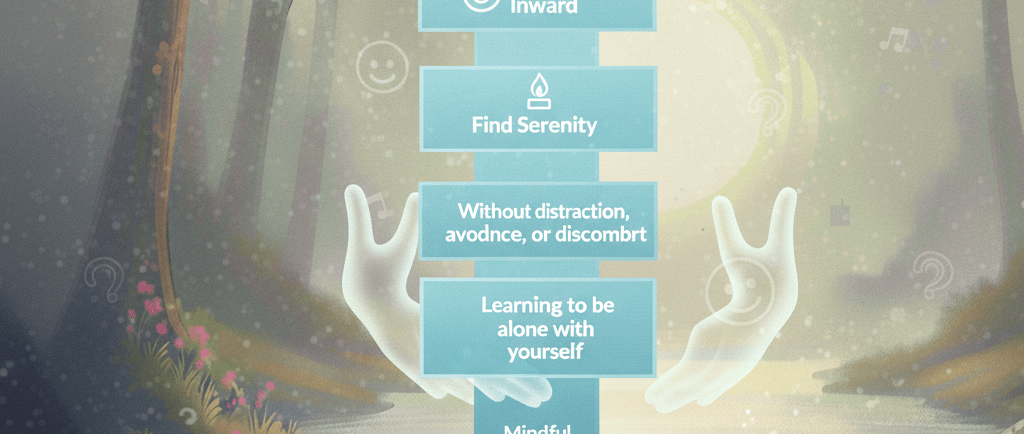
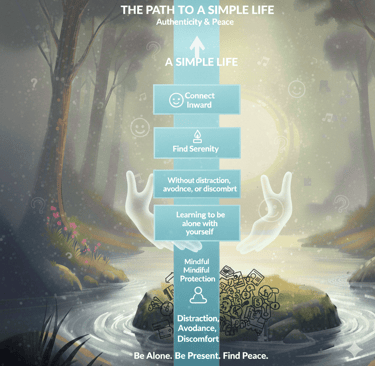
A simple life doesn’t begin with doing less or owning less. It begins with learning how to be alone with yourself—without distraction, avoidance, or discomfort running the show.
Derek Innes
1/21/20262 min read
There’s a quote from Blaise Pascal that says, “All of humanity’s problems stem from man’s inability to sit quietly in a room alone.”
It’s a bold claim—but a revealing one. Inside that sentence is a quiet truth about why life so often feels complicated, noisy, and overwhelming.
What Happens When You Can’t Sit Alone
When you’re unable to sit quietly with yourself, certain patterns tend to emerge.
You need constant stimulation. Busyness, entertainment, notifications, and productivity become ways to avoid silence. Distraction isn’t occasional—it’s necessary.
Uncomfortable emotions feel threatening. Stress, sadness, anxiety, or dissatisfaction don’t feel manageable, so they get numbed instead of felt.
Pleasure is sourced externally. Shopping, scrolling, gaming, food, substances, or constant content become the go-to ways to feel OK.
Over time, this leads to predictable consequences: more spending, worse health, cluttered homes, restless minds, and a life that feels heavy and unmanageable. Not because too much is happening—but because there’s no inner place to rest.
The Simplicity of Being Comfortable With Yourself
Now imagine developing the ability to be alone with yourself—quietly and comfortably.
What emerges isn’t boredom or deprivation. It’s simplicity.
When you’re comfortable being with yourself:
You need less. Fewer possessions, fewer purchases, fewer distractions.
Entertainment becomes optional, not required.
Contentment increases, and the need for constant soothing decreases.
Emotional regulation improves, even during chaos.
Life feels steadier, calmer, and more spacious.
Simplicity stops being something you chase and becomes something that naturally appears.
How to Practice Being Comfortable With Yourself
This capacity doesn’t arrive overnight. It’s built through practice—simple, but not always easy.
Start by spending a small amount of time each day alone, without technology or distractions. Treat this as meditative time, not “unproductive” time.
Notice the discomfort. The urge to check your phone, do something useful, or escape. That urge is the practice.
When it arises, take a few slow breaths. Stay with the discomfort for a minute. See if your body can soften instead of reacting.
Invite curiosity. Is there something subtle to notice? Something interesting, meaningful, or even playful in the moment? Look for wonder, gratitude, or quiet appreciation.
Allow reflection. If self-criticism or difficult feelings appear, don’t push them away. Breathe. Offer yourself compassion. Gently question the thoughts instead of believing them automatically.
Over time, boredom may surface—and that’s not a problem. Let yourself experience it. Boredom often opens the door to clarity, creativity, and insight.
Stillness doesn’t have to mean sitting perfectly still. Walking without a goal, light movement, or gentle stretching can all be part of the practice—as long as it’s done without distraction.
The more comfortable you become with yourself, the less you need from the world to feel OK.
And that’s where real simplicity begins.
What kind of simplicity are you longing for—and what might change if you learned to sit with yourself long enough to find it?