
The Art of Slowing Down: Embracing Life Beyond the Rush
Modern life trains us to rush and distract ourselves from the moment we wake up. This post explores how slowing down is not just about doing less, but about creating emotional regulation, clarity, creativity, and a deeper appreciation for life.
MINDFULNESSLIFESTYLE
Derek Innes
1/30/20264 min read
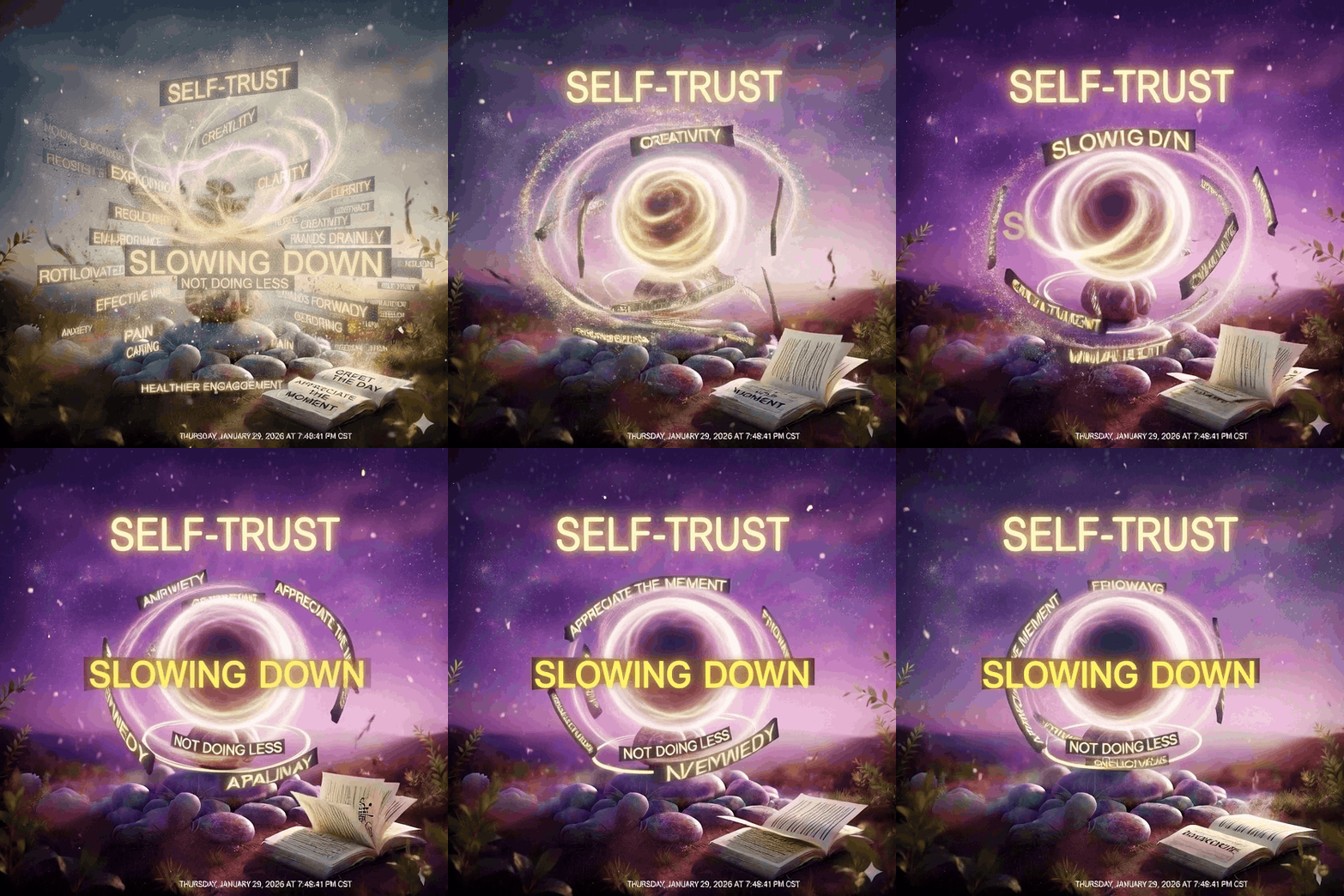
The Pace of Modern Life: Why We Rush
The contemporary world is characterized by a frenetic pace that many individuals feel compelled to uphold. This urgency is driven by a confluence of societal pressures, technological advancements, and cultural norms that prioritize speed and efficiency over the more contemplative approach to daily life. In this environment, the art of slowing down seems almost counterintuitive, yet it is essential for well-being.
Technology has transformed our lives in myriad ways, enabling us to communicate effortlessly and access information at unimaginable speeds. However, this same technology often cultivates a landscape ripe for distraction, where constant notifications and digital engagement make it challenging to focus on any single task. The expectation to respond immediately can foster feelings of anxiety, leading to a perpetual state of rush. Furthermore, work expectations have adapted to this accelerated pace, with many professions mandating longer hours and relentless productivity.
Moreover, cultural norms have reinforced these behaviors, creating a narrative that equates busyness with success. Engaging in multitasking has become a badge of honor, despite research suggesting that it can hinder cognitive efficiency and emotional well-being. Daily routines have morphed into a series of hurried activities, often devoid of meaningful engagement or presence. Whether it is consuming meals on the go or rushing from one meeting to another, individuals frequently overlook the importance of mindful experiences.
As society propels forward with this relentless pace, it becomes crucial to recognize its implications on our mental and emotional health. Understanding the reasons behind our rushing behavior may encourage a collective reevaluation of priorities. By acknowledging these societal and personal influences, individuals can take initial steps towards embracing a more mindful existence, ultimately leading to a more fulfilling life.
Understanding the Importance of Slowing Down
In today’s fast-paced world, the concept of slowing down may seem counterintuitive; however, it plays a crucial role in promoting overall mental health and well-being. The act of consciously taking a step back from the constant rush allows individuals to engage in emotional regulation, which is essential for maintaining psychological stability. By slowing down, one can cultivate a greater awareness of their thoughts and feelings, ultimately leading to better decision-making and increased clarity.
The benefits of this practice extend beyond mere relaxation. Individuals who embrace the art of slowing down often report reduced levels of stress and anxiety. When one allows time for deep reflection and mindfulness, it paves the way for improved emotional resilience. This newfound calmness not only enhances mental health but also fosters creativity. Many artists, writers, and thinkers have noted that inspiration often strikes when they take the time to disconnect from their busy routines.
Anecdotal evidence further showcases the transformative effects of slowing down. For instance, individuals who have integrated moments of stillness into their daily lives often describe experiences of heightened creativity and clarity in their work. By embracing a slower pace, they find themselves equipped to tackle challenges with a fresh perspective, which spawns innovative solutions. The psychological impact is profound; slowing down encourages a harmonious connection between the mind and body, promoting a state of well-being that becomes increasingly difficult to achieve amidst chaotic schedules.
In conclusion, incorporating the practice of slowing down into one’s life can yield significant psychological benefits. It enhances emotional regulation, clarity in decision-making, and overall creativity, while simultaneously reducing stress levels and promoting improved mental health.
Practical Ways to Slow Down: Mindfulness and More
In an age characterized by rapid pacing and constant connectivity, adopting a slower lifestyle can significantly enhance overall well-being. This transition begins with mindfulness, a practice that encourages one to be fully present in the moment. Engaging in mindfulness techniques, such as meditation or deep-breathing exercises, can help cultivate a sense of peace and awareness. By setting aside a few minutes each day for these practices, individuals can better appreciate their surroundings and experiences, reducing the feeling of being rushed.
Another effective method to incorporate slow living is through intentional scheduling. This involves rather than filling every hour with tasks, prioritizing activities that nourish the mind and spirit. Blocking out time for leisure, hobbies, or simply doing nothing can significantly counter the pressures of a busy schedule. Consider analyzing daily routines to identify moments that can be replaced with more meaningful, slower-paced activities.
Creating a peaceful environment also plays a crucial role in achieving a slower lifestyle. Designating spaces in the home for relaxation and reflection can serve as a sanctuary from the noise of the outside world. Simple changes such as decluttering, adding calming colors, or incorporating nature through plants can enhance a tranquil atmosphere conducive to slowing down.
It is essential to prioritize self-care during this journey. Activities such as reading a book, journaling, or taking leisurely walks can facilitate reflection and introspection. To support this lifestyle change, various resources are available, including books like "The Art of Stillness" by Pico Iyer or apps like Headspace and Calm that guide users through mindfulness practices. By integrating these strategies into daily life, individuals can foster a more reflective mindset and deeply appreciate the richness of each moment.
Finding Deeper Appreciation for Life Through Slowing Down
Slowing down in a fast-paced world often seems counterintuitive; however, it holds transformative potential for enhancing the quality of our lives. Taking time to pause and breathe allows individuals to connect more profoundly with the world around them. When one deliberately slows down, there arises an opportunity to cultivate gratitude, which in turn enhances life’s richness. This appreciation stems not only from grand moments but also from the beauty found in simple experiences, such as savoring a warm cup of tea or enjoying a leisurely walk in nature.
Embracing a slower lifestyle fosters mindfulness, enabling individuals to immerse themselves fully in the present moment. Research suggests that mindfulness practices can significantly improve well-being, reducing stress and increasing satisfaction. In witnessing life without the constant urge to rush, people often discover a newfound joy and appreciation for their surroundings. The sights, sounds, and interactions that may have previously gone unnoticed become vivid and significant, encouraging a sense of wonder.
Personal stories frequently illustrate the profound effects of adopting a slower approach. Individuals have reported improved relationships by simply being more present with loved ones. This presence nurtures deeper connections, and as a result, enhances communication and emotional intimacy. Furthermore, many artists and creatives emphasize that slowing down stokes inspiration, allowing for greater introspection and exploration of ideas. This can lead to authentic expressions of creativity, cultivated from a genuine appreciation of life.
Ultimately, slowing down serves as an invitation to reassess priorities and consider what truly matters. As individuals re-evaluate their definitions of success and happiness, many find that a slower pace leads to a profound and fulfilling existence.