
Revitalize Your Life: The Power of Micro-Movements Throughout the Day
We spend most of our day still, even if we exercise. This post shows how small, simple movements woven throughout the day can restore energy, focus, and a sense of being alive in your body without turning movement into another obligation.
Derek Innes
1/26/20264 min read
Understanding the Consequences of Sedentary Lifestyle
A sedentary lifestyle, characterized by prolonged periods of inactivity, poses significant implications for health and well-being. While a regular exercise regime can mitigate some effects, research indicates that even individuals who exercise regularly are not immune to the consequences of long hours spent seated. Modern lifestyles often necessitate extended periods of desk work, commuting, and leisure time spent in front of screens. Such behaviors can lead to a multitude of health issues.
Studies demonstrate that prolonged sitting adversely affects physical health. It can contribute to musculoskeletal disorders, including back and neck pain, as well as leading to increased risks of chronic conditions such as obesity, diabetes, and cardiovascular disease. A report from the American Heart Association highlights that sitting for extended periods can increase the risk of heart disease, particularly when combined with unhealthy lifestyle choices. Furthermore, it has been found that office workers who sit for more than six hours a day are at a heightened risk for chronic health issues, regardless of their levels of physical activity.
Beyond the physical ramifications, the mental impacts of a sedentary lifestyle are equally concerning. Studies suggest that prolonged inactivity may lead to increased feelings of fatigue and decreased levels of energy. Mental health can also be adversely affected, with evidence linking sedentary behavior to anxiety and depression. The lack of movement can stagnate both physical and mental vitality, contributing to a general sense of lethargy. Consequently, acknowledging the implications of a sedentary lifestyle is crucial to understanding the necessity of integrating micro-movements throughout the day.
The Benefits of Small, Simple Movements
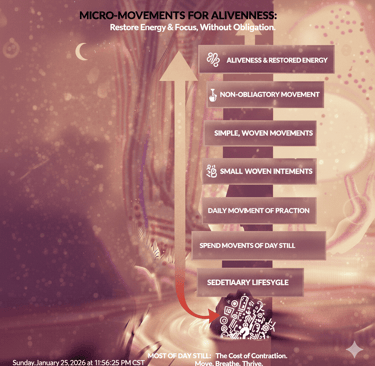
In today’s fast-paced world, the often-overlooked concept of micro-movements holds significant benefits for individuals seeking to enhance their overall well-being. These small, simple movements can lead to various physical and psychological advantages. For starters, incorporating micro-movements into daily routines can dramatically enhance energy levels. Activities such as stretching while seated, taking brief walks during breaks, or simply shifting one’s posture can stimulate blood circulation and oxygen flow throughout the body. This physiological change results in a more alert and energized state, combating the fatigue associated with prolonged sedentary behavior.
Moreover, the benefits of micro-movements extend to improved focus and concentration. Engaging in these small, frequent movements stimulates brain activity, promoting mental clarity and creativity. Research suggests that brief physical activities can significantly reduce mental fatigue and improve cognitive performance. By integrating small movements throughout the day, individuals may find themselves better equipped to tackle complex tasks and remain attentive during meetings or work sessions.
The psychological benefits of micro-movements are equally substantial. Small bursts of movement can be a powerful antidote to stress. Engaging in micro-movements shifts one’s perspective, fostering a sense of aliveness and presence. This shift can enhance mood and reduce anxiety levels. Simple actions such as standing up to stretch, doing a few light squats, or even practicing deep breathing while moving can instill a sense of calm and well-being during challenging situations.
Real-life examples illustrate the profound impact of such movements. For instance, individuals who integrate micro-movements into their daily routines often report feeling more energetic and less overwhelmed. Office workers who practice standing or walking meetings experience higher engagement and productivity. Thus, embracing micro-movements serves to enhance both physical health and mental resilience, offering a holistic approach to revitalizing one’s life.
Practical Ways to Integrate Movement into Your Day
Incorporating movement into your daily routine does not have to be a daunting task. By implementing small changes throughout your day, you can easily enhance your physical activity levels. Here are some practical suggestions to help you integrate micro-movements seamlessly.
Firstly, consider your home environment. Simple activities such as standing while you talk on the phone or doing calf raises while brushing your teeth can add an element of movement without taking much time. You may also set a timer to remind yourself to stand up and stretch every hour. Consistent reminders can facilitate the incorporation of movement, thus avoiding prolonged periods of inactivity.
In the workplace, look for opportunities to move during your breaks. Instead of sipping coffee at your desk, take a five-minute walk around the office or practice a few light stretches. If your job involves sitting for extended periods, invest in a standing desk or try desk exercises. Furthermore, try to schedule meetings that require walking or standing, as this not only encourages movement but can also promote a more dynamic atmosphere during discussions.
When commuting, there are many ways to introduce micro-movements. If possible, choose to walk or bike part of the way to work instead of driving. Utilizing public transportation can also lead to additional activity, as you may need to walk to the bus or train station. Make it a habit to take the stairs instead of the elevator wherever possible, as this simple act can significantly contribute to your activity levels.
By integrating these tips into your daily routine, you will find that increasing movement becomes part of your lifestyle rather than an overwhelming task. These small adjustments can cumulatively lead to a more active day, ultimately revitalizing your life.
Creating a personalized movement routine is essential for individuals seeking to integrate micro-movements into their daily lives effectively. This approach begins with self-reflection, allowing individuals to assess their current activity levels, preferences, and lifestyle. Understanding what types of movements resonate personally is crucial. Some may prefer yoga, while others might find joy in simple stretches or brisk walking. The key is to identify enjoyable movements that can be seamlessly integrated into everyday tasks.
To tailor a movement routine, consider incorporating activities that align with your natural interests. For instance, if you enjoy being outdoors, consider utilizing micro-movements during walks or light hikes. Incorporating stretching while watching television or doing desk exercises at work can also be beneficial. The focus should remain on consistency rather than intensity. This mindset fosters a more sustainable approach to health and well-being.
Tracking progress can significantly enhance the effectiveness of this personalized routine. Maintain a simple log to note down the movements performed and how they felt physically and emotionally. Reflecting on this process can provide valuable insights into what works best for you. Additionally, celebrate small victories, whether it’s a week of consistent movement, mastering a new stretch, or simply feeling more energized throughout the day. Acknowledging these milestones reinforces the rewarding aspect of integrating movement into your life, making it less of an obligation and more of a fulfilling practice.
Ultimately, a personalized movement routine is a pathway to revitalizing your life. By prioritizing enjoyable, tailored movements and celebrating progress, individuals can cultivate a lasting commitment to health that resonates with their personal lifestyles.