
Replenishing Your Inner Cup: The Importance of Self-Care and Rest
Feeling drained, irritable, and unmotivated is often a sign that your inner cup is empty. This long form reflection explores how depletion shows up, why powering through does not work, and how gentle self care, rest, and small heart opening practices can help you recover your energy, clarity, and sense of connection to life again.
Derek Innes
1/25/20261 min read
Understanding Energy Depletion
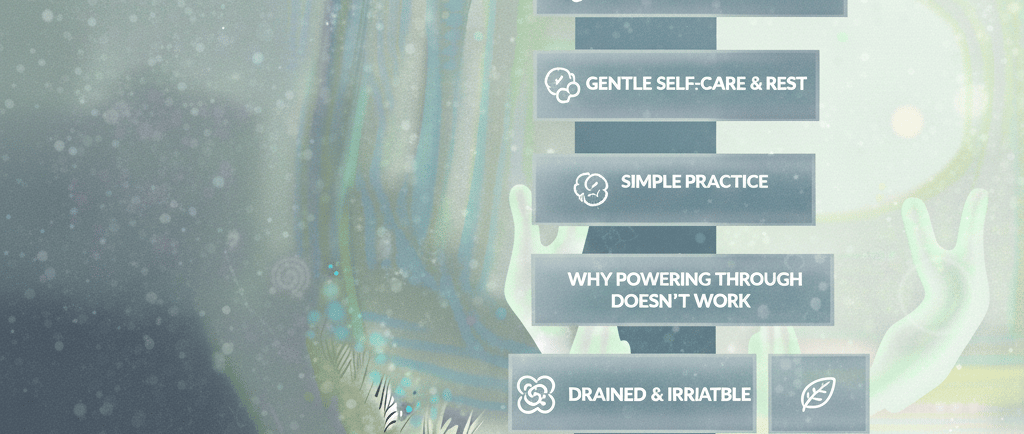
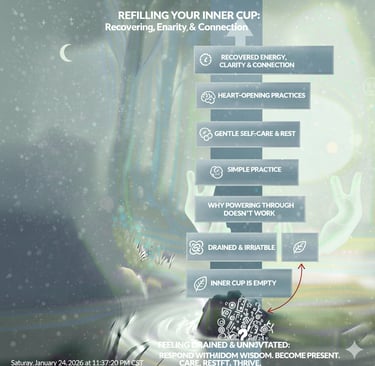
Feeling drained, irritable, and unmotivated is a common experience in today’s fast-paced world. These feelings often indicate that your inner cup is empty, signaling that it is time to replenish your energy reserves. Energy depletion manifests in various ways, affecting both our mental and physical well-being. From recurring fatigue to emotional instability, recognizing these signs is the first step toward recovery.
The Fallacy of Powering Through
Many individuals believe that continuing to push through the pain or exhaustion is the only solution when facing energy depletion. However, this approach often exacerbates the problem. Powering through can lead to burnout, chronic fatigue, and negatively impact your emotional health. The continuous cycle of overexertion creates a disconnect from our innate needs, ultimately leaving us feeling even more detached from life and the people around us. Instead of forcing ourselves to keep going, we should acknowledge our limitations and prioritize self-care.
Embracing Gentle Self-Care Practices
So, how can we effectively recover our energy, clarity, and connection to life? Embracing gentle self-care practices is essential. Start by incorporating moments of rest into your daily routine. Allow yourself time to unwind, whether through meditation, reading, or simply enjoying nature. These restorative activities can help refill your inner cup, rejuvenating your spirit.
Additionally, consider small heart-opening practices such as gratitude journaling or connecting with loved ones. Expressing gratitude can shift your focus from what drains you to what uplifts you, fostering a positive outlook. Engaging in meaningful conversations or activities with friends and family can also rekindle a sense of belonging and contentment.
Remember that recovery is not an overnight process; it requires patience and compassion. Listen to your body, honor your feelings, and gradually integrate practices that nourish your soul. In doing so, you will not only recover lost energy but also cultivate a deeper connection to yourself and the world around you.