
Outgrowing Your Old Self: A Compassionate Approach to Personal Growth
Personal growth isn’t about fixing yourself—it’s about outgrowing an outdated self-image. This post explores how old identities quietly pull us back, and offers a practical, compassionate framework for stepping into an expanded version of who you’re becoming.
Derek Innes
1/28/20267 min read
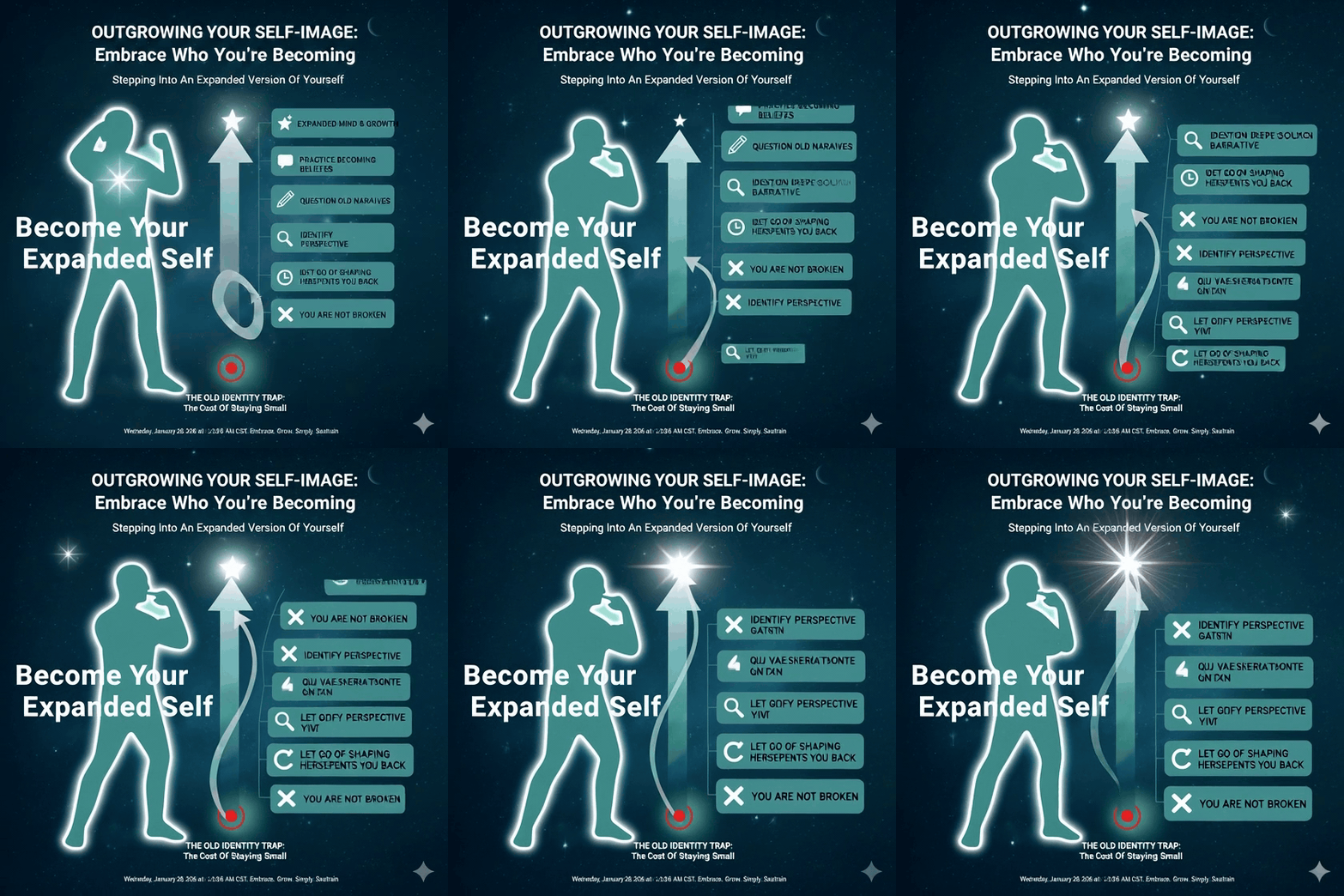
Understanding Personal Growth vs. Self-Fixing
Many individuals perceive personal growth as a journey of fixing their flaws or shortcomings. This notion implies that there is something inherently wrong with the individual that needs to be corrected. However, this approach can create a negative cycle of self-criticism and shame, as it frames personal development through the lens of inadequacy. The idea of self-fixing often leads people to focus excessively on their weaknesses, obstructing a holistic view of their strengths and potential.
In stark contrast, personal growth should be understood as an evolutionary process rather than a corrective one. It revolves around the enriching journey of expanding one’s self-awareness, capabilities, and passions. Instead of viewing oneself as a project in need of repair, it is more productive to adopt the perspective of outgrowing an outdated self-image. Such a mindset encourages individuals to explore their identity, learn from past experiences, and embrace change as a natural part of the journey.
This shift in perspective fosters self-compassion and encourages people to celebrate their unique qualities and achievements, rather than lamenting perceived deficiencies. By reframing personal growth in this manner, individuals can engage in a more constructive dialogue with themselves. It emphasizes building upon existing strengths and integrating new insights, thereby allowing for authentic development.
Ultimately, understanding personal growth as an evolution rather than self-fixing can empower individuals to embrace changes with openness and curiosity. This compassionate approach encourages the harvest of insights from various life experiences, viewing each as a stepping stone toward an enriched self-concept and ultimately fostering a deeper connection with their evolving identity.
Recognizing Outdated Identities
Outdated identities can subtly shape our behaviors and decisions, often without our conscious awareness. These identities may stem from early life experiences, societal expectations, or even previous versions of ourselves that no longer align with who we genuinely wish to be. It is crucial to identify these remnants of our past to embark on a meaningful journey of personal growth.
Common characteristics of outdated identities include fear of change, resistance to new ideas, and a strong attachment to past experiences. Individuals may find themselves clinging to labels they adopted in their youth, such as "the shy one" or "the overachiever," which can limit their growth and adaptability. Such identities can lead to behaviors that do not reflect their current values or aspirations. For example, a person who once defined themselves as a "failure" in academics may avoid challenges and resist opportunities for learning that contradict this self-image.
A helpful tool in recognizing outdated identities is self-reflection. Journaling about your feelings, thoughts, and experiences can unveil patterns in your identity that may feel stagnant. Additionally, seeking feedback from trusted friends or mentors can provide valuable insights into how you are perceived versus how you wish to be perceived. Another effective strategy is to engage in mindfulness practices, which encourage living in the present moment and lead to greater awareness of self-talk and limiting beliefs.
Personal anecdotes often illustrate this process vividly. For instance, a professional who began her career as an administrator felt trapped in an identity that defined her only by her title. Through gentle exploration and self-acceptance, she recognized that her true passion lay in creative problem-solving, which led her to shift her career trajectory. By embracing this newly identified self, she not only found fulfillment but also paved the way for a more authentic life.
The Emotional and Psychological Effects of Old Self-Images
Many individuals inadvertently cling to outdated self-images, which can profoundly affect their emotional and psychological well-being. Holding on to these old identities often manifests as self-limiting beliefs; these are negative perceptions about one’s abilities and potential that hinder personal growth. For instance, if a person views themselves as a failure due to past experiences, they may shy away from new opportunities, fearing that their history will repeat itself. This restrictive mindset not only stifles progress but also perpetuates a cycle of self-doubt and negativity.
Furthermore, an outdated self-image can lead to a host of fears that inhibit individuals from pursuing their true aspirations. Fear of failure, fear of rejection, and even fear of success can all stem from clinging to a former identity that no longer serves one's current reality. Individuals may subconsciously sabotage their efforts to break free from these fears, leading to behaviors that reinforce their outdated self-perception. This behavior can manifest as procrastination, avoidance of challenges, or a lack of commitment to personal goals, ultimately acting as barriers to growth.
Additionally, these fixed identities can affect one’s relationships and social interactions. When individuals identify too strongly with their past selves, they may project insecurities onto others, impairing their ability to form meaningful connections. The burden of outdated self-images not only weighs heavily on individuals but also impacts those within their social circles, creating a ripple effect of emotional strain. Recognizing that these past definitions of self are not fixed can be the first step towards personal transformation. It is critical to dismantle these old identities to foster a healthier, more constructive mindset that embraces change and encourages growth.
Cultivating Compassion for Yourself
Personal growth is an essential journey that often involves letting go of limiting beliefs and outdated identities. A fundamental aspect of this transformative process is cultivating compassion for oneself. Practicing self-compassion allows individuals to treat themselves with the same kindness, empathy, and patience that they would offer to a close friend. This approach is invaluable in helping to navigate the challenges that arise during personal growth.
One effective way to nurture self-compassion is through mindfulness practices. Mindfulness encourages individuals to stay present and aware of their thoughts and feelings without judgment. This heightened awareness fosters a deeper understanding of one's internal experiences, making it easier to recognize moments of suffering or self-criticism. By acknowledging these feelings without harsh judgment, one can slowly develop a more compassionate response to them, transforming negative self-talk into supportive dialogue.
In addition to mindfulness, self-reflection exercises can be particularly beneficial in cultivating self-compassion. Keeping a journal where you document your thoughts and feelings can help you clarify your inner dialogue. Writing about your experiences, including moments of struggle, can reveal patterns of self-criticism that may not have been previously recognized. This reflection allows for the opportunity to reframe negative perceptions and view experiences through a lens of understanding and growth.
Moreover, engaging in self-care practices, such as setting aside time for relaxation, pursuing hobbies, or seeking support from others, reinforces a compassionate relationship with yourself. These acts signal to your mind and body that you are worthy of care and attention, essential components of personal development. By integrating these techniques into your daily routine, you can foster a nurturing environment that supports the shedding of old identities.
Creating an Expanded Self-Image
As individuals embark on their journey of personal growth, one of the most vital components to address is the self-image. An expanded self-image allows for greater aspirations and the realization of one’s potential. To begin this process, it is crucial to envision a version of oneself that aligns with personal values, desires, and strengths. This vision serves as the foundation for transformation.
A practical approach to redefining the self-image involves engaging in visualization techniques. Begin by allocating a quiet moment each day to imagine your ideal self in vivid detail. What are you doing? How are you feeling? What accomplishments are you achieving? Visualizing these aspects enables a stronger connection to the desired self, making it feel more attainable and real. Engaging all senses can enhance this practice, allowing the brain to experience these scenarios as if they are happening in the present.
Additionally, positive affirmations serve as powerful tools to reinforce this newly crafted identity. By articulating statements that encapsulate your goals and desired traits, you begin to reshape your inner dialogue. Phrases such as “I am capable of achieving great things” or “I embody confidence and resilience” can alter your perception over time. It is beneficial to repeat these affirmations both aloud and silently, especially during moments of uncertainty or self-doubt.
To nurture this expanded self-image further, create actionable steps that align with your vision. Set specific, measurable goals that resonate with your aspirations. These goals should challenge you while remaining realistic enough to encourage progress. Celebrate small victories along the way, as they reinforce your expanded self-image and strengthen your belief in your capabilities.
Practical Steps for Transitioning into the New You
Transitioning into your new self requires a structured approach that fosters gradual changes in your daily life. The following steps offer a practical guide to help you mold your new self-image into a reality.
First, it is essential to set realistic goals that reflect your desired identity. Begin by identifying the attributes and behaviors you want to adopt. Instead of overwhelming yourself with unrealistic expectations, break down your overarching objective into manageable milestones. For instance, if your goal is to be more confident in social situations, you might start by initiating small conversations with friends before progressing to larger gatherings.
Next, create a supportive environment by surrounding yourself with individuals who uplift and encourage your growth. Engage with friends, family, or support groups who resonate with your evolving self-image. Being among those who embody positivity and growth can reinforce your commitment to becoming the person you aspire to be. Their enthusiasm and encouragement play a crucial role in maintaining your motivation.
Additionally, practice incremental changes in your behavior that align with your new self-image. Large shifts can feel daunting, so aim for small adjustments that cumulatively impact your overall growth. For instance, if part of your new identity involves adopting a healthier lifestyle, start by incorporating one healthy meal a day or committing to a short daily exercise routine. These incremental steps can help reinforce new habits without causing overwhelm.
Lastly, maintain a reflective practice by journaling or meditating on your experiences. Regularly assessing your progress allows you to celebrate small victories, identify areas for improvement, and adjust your strategies as necessary. Remember, personal growth is a journey rather than a destination, and acknowledging each step taken is vital to your transformation.
Sustaining Growth and Embracing Change
Personal growth is not a destination but rather a continuous journey marked by evolving identities and shifting perspectives. To sustain this growth over time, it is essential to maintain a clear motivation that aligns with your values and aspirations. Setting realistic, achievable goals serves as a roadmap, guiding you through the often tumultuous landscape of personal development. Regularly revisiting these goals can help reinforce your commitment and enable you to measure your progress effectively.
As you embark on this journey, it is crucial to recognize that setbacks are an inherent part of the process. These obstacles can serve as valuable learning experiences rather than indicators of failure. When faced with challenges, it is beneficial to adopt a compassionate mindset towards yourself, allowing room for reflection and recalibration. Embracing vulnerability during difficult times can lead to profound insights, fostering resilience that strengthens your capacity for growth.
Furthermore, personal growth requires a willingness to embrace change as a constant factor in life. It is essential to understand that outgrowing old identities is not just a one-time occurrence but an ongoing evolution. This perspective allows for adaptability, encouraging you to explore new possibilities and redefine your sense of self regularly. Engaging in activities that challenge your comfort zones—such as taking up a new hobby, pursuing further education, or building new relationships—can significantly contribute to this dynamic development.
In essence, nurturing personal growth is a lifelong endeavor that demands commitment, resilience, and a willingness to change. By framing your journey as an ongoing process, you can better appreciate the unique experiences that shape your path. Embracing this journey will not only enrich your life but also empower you to contribute positively to the lives of others.