
Navigating the Tension Between Productivity and Rest: Finding Self-Trust and Sustainable Energy
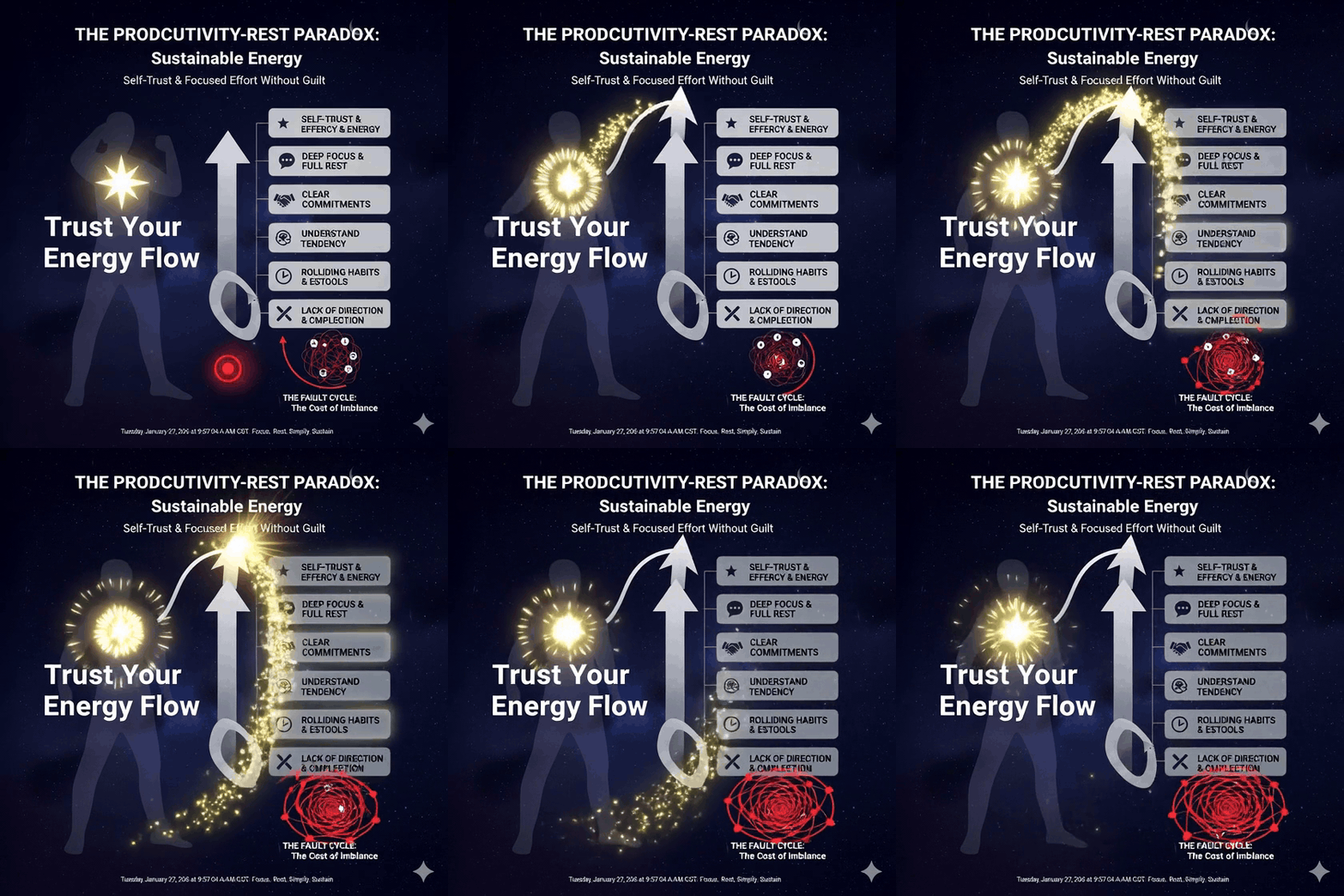
Many people feel trapped between two opposing pressures: the belief that they should always be productive, and the urge to rest as a way to escape discomfort. This article explores why these forces conflict, how to identify your default tendency, and how to create clear commitments that allow you to focus deeply when it matters and rest fully without guilt. The goal isn’t perfect balance — it’s self-trust, sustainability, and long-term energy.
Derek Innes
1/27/20264 min read
Understanding the Clash: Productivity vs. Rest
The tension between productivity and rest is a pervasive issue in contemporary society. Culturally, we have been conditioned to equate busyness with worth, often leading to the glorification of constant productivity. This societal pressure manifests in various ways, compelling individuals to prioritize work over personal well-being, thereby fostering a cycle of exhaustion and mental strain.
On one hand, productivity is celebrated through high-achieving individuals who seemingly accomplish more in less time, projecting an image of success that many aspire to emulate. This constant comparison can create a detrimental mindset where rest is viewed as a luxury rather than a necessity. The internalized belief that one must always be productive can lead to feelings of guilt when taking a break, further perpetuating the cycle of overwork.
Conversely, the human instinct necessitates rest, particularly during times of discomfort or fatigue. The biological need for recuperation becomes overshadowed by societal expectations, resulting in a conflict that impacts mental health. Many individuals struggle with this dichotomy, finding it difficult to allow themselves time to recharge without the nagging voice of guilt that often accompanies it.
This inner conflict can produce significant psychological distress, leading to anxiety and burnout. It is essential to recognize the roots of these opposing forces. Self-awareness is the first step towards striking a balance between productivity and adequate rest. By understanding that both elements are integral to maintaining sustained energy and overall well-being, individuals can begin to cultivate a more compassionate relationship with themselves.
Ultimately, this awareness lays the groundwork for healthier habits, allowing individuals to redefine productivity in a way that aligns with personal values and well-being, rather than socially imposed measures of success.
Identifying Your Default Tendency: Are You a Doer or a Rest Seeker?
Understanding your default tendency when facing pressure is essential for navigating the delicate balance between productivity and rest. Individuals often exhibit either a propensity to push through discomfort in order to remain productive, or they may lean towards seeking respite as a means of avoiding challenges. Recognizing where you fall on this spectrum can illuminate your behavioral patterns and help you develop a healthier relationship with work and leisure.
To begin identifying your default tendency, consider reflecting on these questions: When faced with a high workload, do you feel compelled to tackle tasks head-on, or do you find yourself yearning for a break? Do you consider resting to be a sign of weakness or as a legitimate component of your productivity strategy? Notice your emotional responses to deadlines and project demands—do you experience anxiety and frustration, pushing you to work harder, or do you prefer to disengage and seek comfort in rest?
You might also benefit from self-assessment tools that can reveal your inclination towards productivity or rest. For example, maintaining a daily journal can help you track your feelings and decisions over time. Record instances where you chose to work through discomfort relevant to your tasks, as well as moments when prioritizing self-care became more appealing than continuing your work. By analyzing these entries, you may identify patterns in your behavior that reflect your default tendency.
Furthermore, consider evaluating how you recover after periods of intense productivity. Do you feel rejuvenated by significant breaks, or do you require minimal downtime before diving back into your commitments? The responses to these inquiries not only highlight your individual coping mechanisms but also guide you in establishing a balanced approach that incorporates both productivity and rest into your lifestyle.
Creating Clear Commitments: Strategies for Focus and Rest
Establishing clear commitments is essential for balancing productivity and rest effectively. One key strategy for achieving this balance is prioritization. By identifying the most critical tasks of the day, individuals can allocate their time and energy toward activities that yield the greatest impact. This approach not only enhances focus but also fosters a sense of accomplishment, which can alleviate feelings of guilt when it comes to downtime.
Another effective technique is time-blocking, which involves dividing the day into distinct blocks dedicated to specific tasks or activities. This method helps create a structured environment that promotes deep focus during work periods. For instance, if an individual sets aside two hours in the morning for project work, they can immerse themselves fully within that timeframe, free from distractions. Following this intense focus period, allocating several blocks for REST can be productive, creating a sustainable rhythm of work and relaxation.
Additionally, creating dedicated rest times within one’s schedule is vital for mental and physical recuperation. By officially marking out periods for breaks, individuals can cultivate a sense of obligation to themselves, thus removing the guilt often associated with taking time off. During these designated rest periods, engaging in activities such as meditation, light exercise, or simply being outdoors can greatly enhance overall wellbeing.
Setting boundaries between work and personal life is critical to achieving these commitments. This could involve defining specific work hours, minimizing multitasking, or employing "do not disturb" modes during focus time. Such boundaries empower individuals to maintain their productivity levels, while also ensuring they respect their need for rest and rejuvenation. By implementing these strategies, one can find a harmonious balance between focus and recovery, allowing for sustainable energy and self-trust in the process.
The Goal of Self-Trust: Building Sustainable Energy Long-Term
In the pursuit of productivity and rest, the essential aim should not be achieving a flawless equilibrium; rather, it is about nurturing self-trust and developing sustainable energy for the long haul. Forging a relationship of self-compassion allows individuals to navigate their personal and professional landscapes with greater authenticity. Self-trust enables one to recognize the inherent value of both labor and leisure as vital components of a fulfilling life.
The interplay between productivity and rest requires a significant shift in mindset. Rather than viewing rest as a mere cessation of activity, one should regard it as an integral part of the productivity cycle. This perspective reinforces the idea that periods of rest are essential for rejuvenation and creative thinking, ultimately enhancing one’s output when they return to work. Embracing this understanding fosters a more compassionate approach to one’s own rhythm of work and recuperation.
Furthermore, it is essential for individuals to establish their personal definitions of productivity and rest aligned with their values and priorities. This customization acknowledges that what constitutes a productive day may differ drastically from one person to another. By evaluating personal objectives and needs, individuals can create a more fulfilling balance that suits their lifestyle. This self-determined approach builds trust in oneself and one’s decisions, resulting in sustainable energy that supports ongoing well-being.
Ultimately, cultivating a habitual practice of self-reflection encourages awareness about energy levels and the necessity to engage in restorative activities. Developing this awareness promotes self-trust and allows for more conscientious energy management. By gently navigating the tension between productivity and rest, one can cultivate a life that harmoniously integrates both spheres, leading to enhanced satisfaction and well-being.