
Mindful Technology Use: Harnessing the Power of Devices for Wellbeing
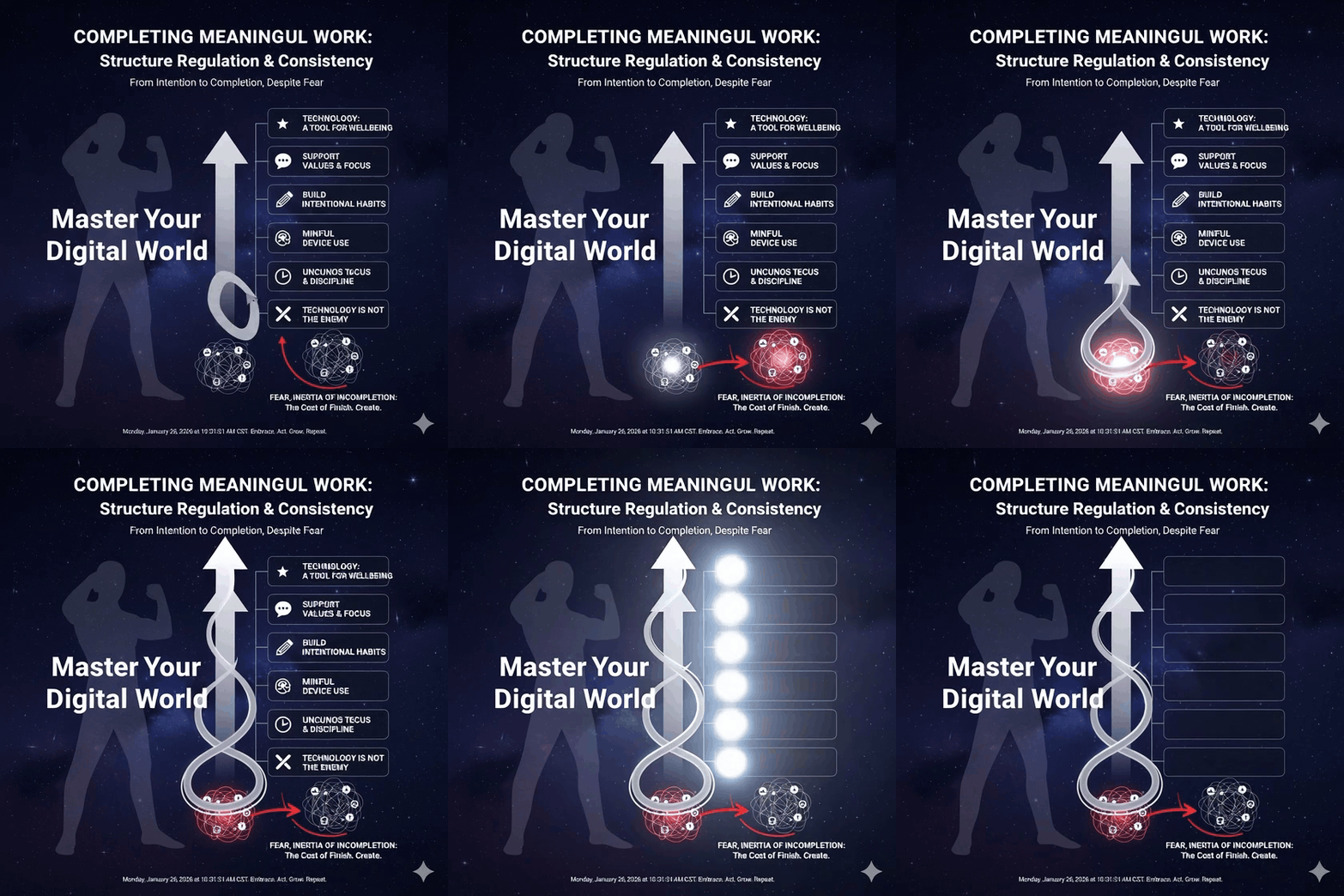
Technology is not the enemy, but unconscious use is. This post explores how to build a mindful, intentional relationship with your devices so technology supports your focus, wellbeing, and values instead of draining them.
Derek Innes
1/26/20267 min read
Introduction: Rethinking Our Relationship with Technology
In the modern era, technology is woven into the fabric of our daily lives, presenting unprecedented opportunities and challenges. The rise of smartphones, computers, and various digital devices has transformed how we communicate, work, and obtain information. However, this transformation prompts a critical examination of our interaction with these tools. The premise is clear: technology is not inherently detrimental; rather, it is our engagement with it that often leads to negative outcomes. Therefore, rethinking our relationship with technology is essential for fostering a healthier interaction.
Many individuals find themselves often overwhelmed by the constant notifications and the barrage of information that technology provides. Such distractions can hinder productivity and impair mental wellbeing. This has led to a perceived dichotomy where technology is viewed primarily as a source of anxiety and disconnection. Yet, rather than dismissing technology as a negative force, it is more beneficial to embrace a mindful approach that recognizes its potential as an ally.
By adopting mindful technology use, individuals can shift their perspective and leverage the capabilities of their devices to enhance focus and promote wellbeing. Mindful interaction involves conscious and intentional engagement with technology, wherein users are aware of their habits and the impact of these habits on their lives. This approach not only mitigates the risk of technology-induced stress but can also transform digital devices into powerful tools for productivity and mental health improvement.
As we delve deeper into the relationship between technology and wellbeing, it becomes evident that practicing mindfulness in our interactions can lead to profound changes. Recognizing triggers for distraction, setting boundaries, and cultivating habits that prioritize mental health can significantly contribute to a more harmonious balance. Thus, technology, when used thoughtfully, can indeed become an ally in our pursuit of personal and professional wellbeing.
Understanding the Unconscious Use of Technology
In contemporary society, the unconscious use of technology has become increasingly prevalent, often manifesting through behaviors such as mindless scrolling, impulsive checking of notifications, and disregarding time spent on devices. These behaviors not only diminish our awareness of the surrounding environment but can also lead to detrimental effects on mental health and overall productivity.
Mindless scrolling, characterized by the habitual flicking through social media feeds without any specific intent, exemplifies how technology can hijack attention. Users may find themselves absorbing content passively, which contributes to reduced cognitive engagement and can lead to feelings of dissatisfaction or anxiety. Moreover, the constant influx of notifications from various applications can create an incessant demand for attention, interrupting focused tasks and leading to a fragmented work pattern.
The repercussions of such a reactive relationship with technology can be psychological as well as emotional. Research suggests that people who frequently engage in these unconscious behaviors may experience heightened stress levels, diminished attention spans, and an erosion of their ability to concentrate. Furthermore, the allure of instant gratification offered by digital devices can foster a dependency that is difficult to break. Over time, individuals may find themselves less capable of engaging with real-life experiences and more inclined to retreat into the virtual world.
The impact extends beyond personal well-being; it also influences productivity in professional and academic settings. Individuals who rely heavily on technology without mindfulness often struggle to meet deadlines and deliver quality work, as they fall prey to distractions and task-switching. This not only affects individual performance but can also inhibit collaboration and collective progress within teams and organizations.
The Benefits of Mindful Technology Usage
In an age where technology permeates nearly every aspect of our lives, the significance of mindful technology use has emerged as a critical conversation. Intentional engagement with devices leads to several notable benefits, particularly in enhancing focus and wellbeing. Research indicates that individuals who adopt a mindful approach to technology report higher levels of satisfaction in their personal and professional lives.
One of the primary advantages of mindful technology usage is an improvement in focus. By consciously limiting distractions from notifications and social media, individuals can immerse themselves more deeply in tasks. Studies have demonstrated that by setting specific times to check devices, individuals experience reduced cognitive overload. This enhanced focus allows for a more substantial work output and fosters creativity, ultimately leading to improved efficiency in various pursuits.
Moreover, mindful usage plays a vital role in alignment with personal values. Engaging in technology with intention gives individuals the power to curate their digital experiences, which can lead to a heightened sense of purpose. For instance, prioritizing applications and platforms that resonate with personal goals ensures that technology enhances rather than detracts from one’s values and aspirations.
Furthermore, expert opinions support the idea that a mindful approach to technology can bolster overall wellbeing. According to psychologists, individuals who practice technology mindfulness often experience reduced stress levels and increased happiness. By advocating for periods of digital detox and encouraging users to engage in intentional interactions, a culture of mindfulness can flourish, ultimately promoting mental health and emotional resilience.
In conclusion, the advantages of mindful technology usage extend far beyond mere productivity enhancements. By cultivating focus, aligning with personal values, and fostering overall wellbeing, individuals are empowered to harness technology's full potential while maintaining a balanced approach to modern life.
Strategies for Building a Mindful Relationship with Devices
As technology continues to advance and dominate our daily lives, developing a mindful relationship with devices becomes increasingly crucial. One effective strategy is to set clear boundaries around device usage, which can significantly enhance one's awareness of technology's influence. For instance, individuals can designate specific times of the day for device usage, such as restricting it during meals or one hour before bedtime. This approach not only fosters a healthier relationship with technology but also encourages individuals to engage more fully with their immediate environments.
Another practical method for cultivating mindfulness is through the practice of digital detoxes. Taking a break from devices, for even a short period, allows individuals to reconnect with themselves and the world around them. Digital detoxes can range from a few hours to several days, during which users are encouraged to engage in offline activities such as reading, walking, or enjoying face-to-face interactions. By temporarily stepping away from screens, individuals can gain a fresh perspective on their relationships with technology and reduce the feeling of constant connectivity.
Using technology mindfully also involves being intentional about the apps and content consumed. When selecting applications, users should consider whether they contribute positively to their well-being. For example, instead of mindlessly scrolling through social media, individuals can opt for apps that promote mindfulness, meditation, or skill development. Additionally, reviewing and assessing content before consumption helps ensure it aligns with personal values and interests, further enhancing one's mindfulness while using devices.
Creating a Supportive Digital Environment
In today’s world, the proliferation of digital devices can be overwhelming, making it essential to create a supportive technology environment that promotes mindfulness and intentional engagement. One crucial aspect of this process is the organization of devices. Establishing designated spaces for technology use can help delineate between productive and leisure activities. For instance, maintaining a specific area for work-related tasks can minimize distractions during personal time. This separation facilitates focused engagement when using devices for work and relaxation.
Another critical component is the curation of applications. It is advisable to review and select apps that genuinely contribute to one's well-being rather than those that lead to mindless scrolling or comparison. Users should consider uninstalling apps that are not aligned with their goals to foster a digital space that enhances productivity and encourages mindfulness. Limiting access to distracting applications helps reinforce intentional interactions with technology, as individuals can focus on tools that serve a specific purpose in their lives, whether that’s managing tasks, tracking health goals, or connecting with family.
Additionally, turning off unnecessary notifications is fundamental in developing a more mindful approach to technology use. Notifications can lead to constant interruptions, diminishing the quality of interactions with both technology and life. By customizing notification settings and disabling alerts from non-essential apps, individuals can create a quieter digital environment, allowing for deeper concentration and reflection. This reduction in digital noise fosters a space that encourages intentional engagement with technology rather than mindless consumption.
By organizing devices effectively, curating applications judiciously, and turning off distracting notifications, individuals can cultivate a supportive digital environment that promotes mindfulness. Ultimately, this intentional approach to technology can significantly enhance overall well-being.
Mindfulness Practices to Enhance Focus and Wellbeing
In the age of rapid technological advancements, maintaining mindfulness while utilizing devices has become increasingly critical. By integrating mindfulness practices into our tech routines, we can enhance our focus and overall wellbeing. One prominent approach is through the use of meditation apps. These applications offer guided meditations tailored to diverse needs, allowing individuals to carve out time for introspection and mental clarity. Popular options include Headspace and Calm, which provide a variety of sessions designed to help users increase focus and reduce stress.
Another effective technique involves incorporating deliberate breathing exercises into daily device usage. By taking a few moments to engage in deep, intentional breathing before or during technology interactions, individuals can ground themselves and regain focus. Simple yet effective exercises, such as the 4-7-8 breathing method, can promote relaxation and help alleviate feelings of overwhelm, ensuring that technology serves as a tool for productivity rather than distraction.
Journaling is a further practice that can substantially augment mindfulness in the context of technology use. Digital journaling apps like Day One or Journey provide a platform for users to document their thoughts and feelings regarding their tech habits. Keeping a record of daily interactions with devices not only fosters awareness but also highlights patterns that may need adjustment. By reflecting on these documented entries, individuals can cultivate a more mindful relationship with technology, ensuring it aligns with their wellbeing goals and personal values.
Thus, integrating these mindfulness practices can significantly enhance focus and emotional balance when engaging with technology. By utilizing meditation, breathing exercises, and journaling, individuals can develop a more intentional and fulfilling approach to their device usage, ultimately supporting their overall mental health.
Conclusion: Embracing Technology with Intention
As we navigate an increasingly digital world, it is essential to recognize that technology serves as a powerful tool that can either enhance or detract from our wellbeing. Throughout this discussion, we have explored various aspects of mindful technology use, highlighting the importance of intentional engagement with our devices. By remaining aware of our technology habits, we can align them more closely with our personal goals and values.
Firstly, understanding the potential impact of technology on our mental and emotional health is a vital step in cultivating a mindful approach. This awareness allows us to identify when our usage trends might lead to negative outcomes, including increased stress or decreased productivity. Setting boundaries around device use—such as designated screen-free times or intentional breaks—can significantly contribute to a more balanced life.
Furthermore, embracing technology for its positive aspects involves selecting applications and platforms that foster connection, creativity, or knowledge. By curating our digital interactions, we equip ourselves with resources that embolden our pursuits instead of detracting from our experience. Engaging with technology in a way that supports our wellbeing can transform how we relate to devices, shifting from passive consumption to active engagement.
In light of these reflections, it is crucial for each of us to commit to evaluating our technology habits. By becoming more mindful of the time we spend online and the content we consume, we can empower ourselves to make decisions that favor our health and happiness. Ultimately, embracing technology with intention will help us harness its benefits, ensuring that our devices serve as allies in our journey toward wellbeing.