
Meditation Made Simple
Meditation doesn’t require silence, perfection, or hours of practice. This post breaks down simple, practical meditation tips designed for real life—busy schedules, wandering minds, and everyday stress. Learn how to build consistency, train focus, and use meditation as a tool for emotional control and mental clarity without spiritual fluff or unrealistic expectations.
Derek Innes
1/23/20264 min read
Understanding Meditation Without the Fluff
Meditation is often surrounded by a myriad of misconceptions that can deter individuals from embracing its numerous benefits. One common myth is that meditation requires complete silence and a perfectly tranquil environment. This notion is misleading, as meditation can take place in various settings, regardless of surrounding noise or distractions. What truly matters is the ability to turn inward and focus the mind, which can be practiced anywhere, from a bustling café to a quiet park.
Another prevalent misconception is that one must attain perfection in their meditation practice. Many people believe that unless they can empty their minds entirely or achieve a deep state of bliss, they are not meditating correctly. In actuality, meditation is about fostering awareness and cultivating a relationship with one's thoughts and feelings. It is perfectly acceptable to experience wandering thoughts; the key is to acknowledge them and gently return focus to the breath or chosen point of meditation.
Time is often cited as a barrier to starting a meditation practice. However, it is crucial to understand that meditation does not require extensive time commitments. Even a few minutes of focused breathing or mindfulness can yield significant benefits. Individuals can begin their journey with short sessions, gradually increasing the duration as they feel more comfortable. This adaptability makes meditation accessible to busy lifestyles, allowing anyone to find brief, manageable moments to practice mindfulness amid their daily routines.
Ultimately, meditation is about finding personal peace and clarity rather than adhering to a strict set of rules or expectations. By dispelling these myths, individuals can feel empowered to explore meditation in ways that suit their unique lives and requirements, enhancing their overall well-being.
Practical Tips for Busy Lifestyles
In the hustle and bustle of modern life, finding time for meditation may seem challenging. However, with simple adjustments, anyone can incorporate meditation into their daily routine. One effective approach is to start with short, focused sessions lasting just five to ten minutes. These brief periods can be integrated into common daily activities, such as during a morning coffee break or during evening downtime. The key is to center your thoughts and take a moment to breathe deeply, fostering a sense of calm amidst daily chaos.
It can also be beneficial to incorporate meditation into existing habits. For instance, practicing mindfulness while walking can be an effective way to combine physical movement with mental clarity. Focus on each step, the sensation of your feet touching the ground, and the beauty of your surroundings. This method not only enhances your walking experience but also provides an opportunity to meditate on the go.
Another useful strategy is to utilize technology to your benefit. There are numerous applications available that offer guided meditations tailored for short time frames. Scheduling a reminder on your phone to take a "mindful minute" can prompt you to pause and reset during busy workdays. Additionally, find moments of stillness during regular activities—such as waiting in line or commuting—by practicing concentrating on your breath. This allows for mindfulness without dedicating extensive time.
Finally, create a designated space within your home for meditation, no matter how small. This special spot can act as a visual reminder to pause and practice meditation. With consistency and intention, meditation can seamlessly blend into even the busiest of lifestyles, enhancing overall well-being and mental clarity.
Building Consistency and Focus in Your Practice
Establishing a consistent meditation practice is essential for maximizing its benefits. Regular engagement not only fosters improved concentration but also enhances the ability to navigate life’s stressors more calmly. To cultivate a daily meditation routine, begin by selecting a specific time each day, treating it as a non-negotiable appointment in your schedule. This simple act of commitment helps set a tone of accountability, thereby making it easier to maintain consistency over time.
One effective strategy is to start with short sessions, gradually increasing the duration as comfort grows. This approach is particularly useful for individuals new to meditation, as it allows the mind to adjust without overwhelming frustration. Tools like meditation apps can aid in tracking progress, offering reminders that prompt you to meditate and enabling you to monitor your journey. Many of these platforms also feature guided meditations, which can provide structure and improve focus during your practice.
For those who often experience a wandering mind, employing specific techniques during meditation can enhance concentration. For instance, utilizing deep breathing exercises allows you to anchor your awareness to your breath, fostering a greater sense of presence. Another helpful method is to allow thoughts to arise without judgment, acknowledging them and gently returning to your point of focus, whether it’s your breath or a mantra. Additionally, creating a dedicated meditation space can be instrumental in cultivating an environment conducive to focus. This sacred space should be free from distractions, adorned with elements that evoke a sense of peace and calm, ultimately enriching your meditation experience.
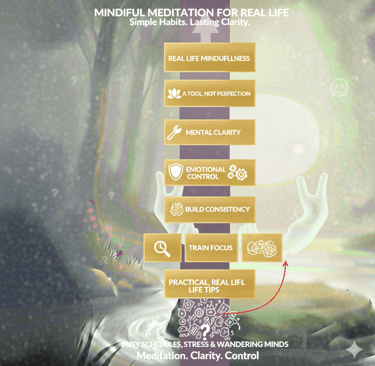
Fostering consistency and improving focus in meditation requires a commitment to routine, tools for accountability, and methods to maintain concentration. By implementing the strategies outlined, individuals can develop a meaningful meditation practice that brings clarity and tranquility to their lives.
Using Meditation for Emotional Control and Mental Clarity
Meditation serves as a powerful tool for enhancing emotional control and achieving mental clarity. By fostering a greater connection between the mind and body, meditation allows individuals to better navigate their emotional landscapes, alleviating stress and cultivating resilience against anxiety. The practice encourages presence in the moment, facilitating an understanding of one's emotions without judgment, which is crucial for emotional regulation.
One effective technique is the practice of focused breathing. By directing attention to the breath, individuals can create a calming effect that reduces physiological stress responses. This simple yet profound technique can be performed anywhere, making it easily adaptable to daily life. For example, when faced with overwhelming emotions at work or home, taking a few moments to practice focused breathing allows for a reset. As the heart rate slows and the mind quiets, clarity emerges, enabling better decision-making and emotional responses.
Another beneficial method is mindfulness meditation, which involves observing thoughts and feelings without attachment. This practice nurtures an awareness that can diminish the impact of negative emotions. Integrating mindfulness into everyday situations—such as during meals or conversations—provides continuous support in maintaining emotional balance. By acknowledging feelings as they arise, one can create space for reflection and acceptance, leading to improved mental clarity.
Additionally, setting aside time for formal meditation sessions can greatly enhance one's ability to cope with stress. Whether through guided meditations, body scans, or loving-kindness practices, dedicating moments each day to slower rhythms fosters a sense of tranquility. As practitioners deepen their meditation skills, emotional control and mental clarity naturally improve, empowering them to face challenges with a renewed perspective.