
How Not to Get Stopped by Discouragement
Discouragement doesn’t mean you’re failing — it means you’re in the middle of something that matters. This post breaks down why discouragement shows up, how it quietly convinces us to quit, and a practical way to move through it without abandoning what we care about.
Derek Innes
1/22/20262 min read
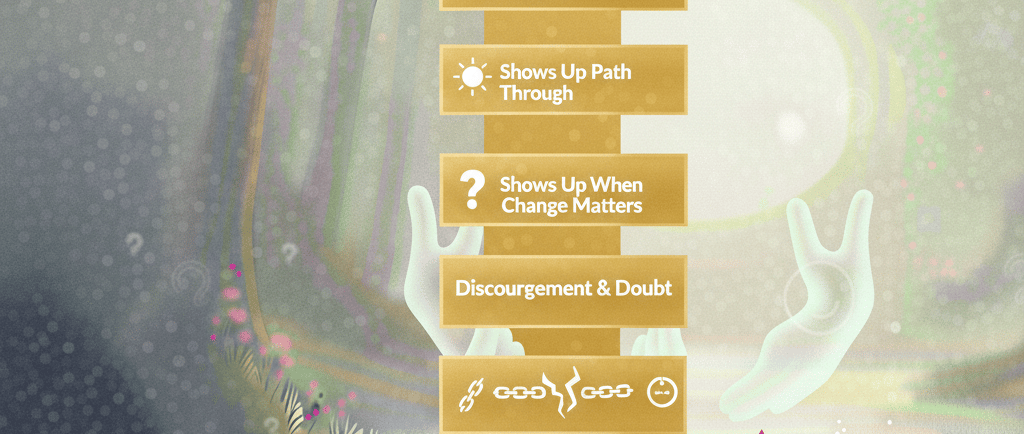
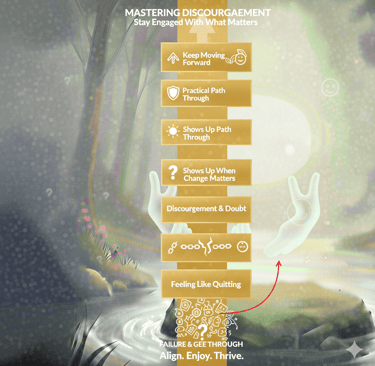
There’s a strange pattern I’ve noticed in my own work.
About a third of the way into a project, discouragement shows up.
Not at the beginning, when everything is new and exciting.
Not at the end, when momentum is carrying me forward.
Right in the middle.
Progress feels slower. Uncertainty creeps in. I start wondering if I know what I’m doing at all. And almost every time, my mind suggests the same solution:
Just quit.
When discouragement hits, quitting feels like relief. Why keep pushing when it feels heavy, confusing, or uncomfortable?
This is where most people get stopped.
Not because they lack discipline or talent, but because discouragement quietly takes over the decision-making process. A habit ends. A workout plan fades. A meaningful project gets abandoned. Learning stops.
And usually, we don’t even notice what happened.
We don’t say, “I’m discouraged, therefore I should quit.”
We say, “This is dumb. This isn’t working. I can’t do this.”
Those thoughts feel true in the moment, so we believe them.
What I’ve learned is that discouragement itself isn’t the problem. The problem is letting discouraged thoughts run the show.
Here’s what’s helped me stay in the game.
Notice the discouragement
Discouragement has a physical feeling. For me, it’s a kind of sinking, deflated heaviness. It’s uncomfortable, but it’s just a passing state. When I pause and name it — “This is discouragement” — I’m no longer trapped inside it.
Recognize the thoughts without believing them
Discouragement generates predictable thoughts: Quit. Escape. Stop trying.
These thoughts aren’t truth — they’re protection mechanisms. Their job is to reduce discomfort, not guide you wisely. Seeing them as signals instead of commands changes everything.
Don’t make decisions while discouraged
I have a simple rule: no major decisions when I’m discouraged.
If I want to quit, I wait. I tell myself I’m allowed to decide tomorrow — just not today. Most of the time, the urge fades once the feeling passes.
Feel the discouragement and take care of it
Instead of arguing with the feeling, I let myself feel it as a physical sensation. When I do, it naturally loosens its grip. I also support myself in small ways — a walk, rest, warmth, encouragement, a moment of kindness. Caring for the feeling shortens its lifespan.
Reclaim authorship
Discouragement often puts us in a victim mindset: This is happening to me.
After tending to the hurt, I ask a different question: What’s one thing I can do right now that’s in my control?
A small step restores a sense of authorship — the feeling that I’m still writing my own story.
The most important realization is this: discouragement isn’t a sign you should stop. It’s a normal part of doing anything meaningful. If you’re feeling it, you’re probably stretching, learning, and investing in something that matters to you.
Let yourself feel discouraged.
Just don’t let a temporary feeling decide the ending of your story.