
From Helplessness to Empowerment: Reclaiming Your Life
Helplessness often hides underneath overwhelm, frustration, and burnout. This post explores how that mindset forms and how to gently shift from feeling like life is happening to you into becoming the author of your own actions again.
Derek Innes
1/23/20264 min read

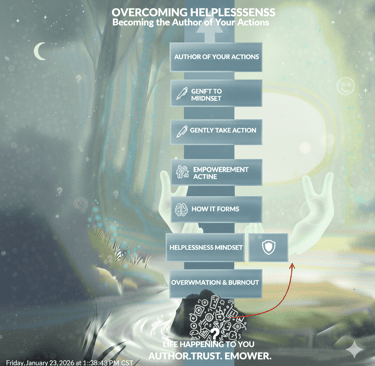
Understanding the Roots of Helplessness
Helplessness can often feel like an insurmountable barrier, rooted deeply in a complex interplay of psychological, societal, and personal factors. At its core, feelings of helplessness are frequently triggered by experiences of overwhelm, frustration, and burnout. These emotional states can lead individuals to perceive their circumstances as unchangeable, fostering a debilitating sense of being trapped in a cycle of negative thoughts and actions.
Psychologically, helplessness may stem from repeated exposure to stressful situations where individuals feel their efforts do not lead to positive outcomes. This phenomenon, often referred to as learned helplessness, reinforces the belief that one lacks the ability to effect change in their environment, thereby perpetuating a cycle of despair. It can become particularly pronounced when individuals encounter persistent challenges that seem beyond their control.
Furthermore, societal influences play a substantial role in shaping perceptions of helplessness. The increasing pressures of modern life, characterized by stringent expectations in both personal and professional realms, can contribute significantly to feelings of inadequacy and frustration. Social comparisons facilitated by digital platforms exacerbate this experience, leading many to feel as though they are falling short in their own endeavors.
Personal experiences also greatly inform how one perceives these feelings. Life events, such as trauma or prolonged stress, can alter one’s mental resilience and escalate the sense of helplessness. Identifying the specific triggers that incite these emotions is crucial in understanding how they manifest in one’s life. By recognizing and articulating the roots of helplessness, individuals can begin to dismantle this mindset, fostering a more empowered state of being.
The Cycle of Overwhelm and Burnout
The cycle of overwhelm and burnout is a pervasive issue that affects many individuals, creating a damaging pattern that can seem inescapable. Overwhelm often begins with an accumulation of demands, whether from professional responsibilities, personal commitments, or societal pressures. This buildup can trigger a cognitive and emotional response, often characterized by stress and anxiety. When individuals find themselves in this state, they may struggle to manage their time effectively, leading to further feelings of inadequacy and helplessness.
As stress responses escalate, they may result in emotional exhaustion—a core symptom of burnout. Emotional exhaustion manifests as a depletion of mental energy, often accompanied by feelings of cynicism and detachment from work or personal life. Individuals experiencing burnout may find it increasingly challenging to perform daily tasks, which can exacerbate feelings of frustration and despair. This creates a vicious cycle where the inability to cope effectively leads to further overwhelm.
Understanding the symptoms of burnout is crucial for identifying one’s condition. Common indicators include chronic fatigue, irritability, difficulty concentrating, and a general sense of disengagement from life. For example, a corporate employee may initially feel overwhelmed by project deadlines, which can lead to long hours and neglecting self-care. Over time, this employee may experience diminished work quality and withdrawal from colleagues, deepening their sense of isolation and helplessness.
Real-life examples illustrate how the cycle of overwhelm and burnout affects not only individuals but also the workplace culture overall. Many organizations are now recognizing the adverse consequences of burnout, implementing strategies to support employee well-being. Acknowledging this cycle becomes a vital step toward recovery and empowerment, as it enables individuals to take proactive measures in reclaiming their lives.
Shifting Mindsets: Taking Back Control
Transforming a mindset from one that feels overwhelmed and powerless to one that embraces empowerment and control is a vital step in reclaiming one's life. This journey begins with recognizing the importance of setting boundaries. By clearly defining what is acceptable in personal and professional interactions, individuals can create a safe space that fosters a sense of control. This involves learning to say 'no' when necessary and prioritizing personal well-being, which is essential for maintaining not just physical, but also emotional health.
Moreover, integrating self-care routines into daily life can significantly enhance an individual’s sense of agency. Self-care encompasses more than just pampering; it includes engaging in activities that promote mental and physical health, such as regular exercise, healthy eating, and adequate sleep. These practices are critical in building resilience against stressors, allowing individuals to better cope with life’s challenges. Taking time to indulge in personal interests or relax through mindfulness or meditation techniques can also serve as meaningful breaks from daily stress, reinforcing an empowered self-image.
Mindfulness techniques, such as deep breathing and meditation, encourage individuals to become aware of their thoughts and feelings without judgment. This awareness fosters a recognition of personal triggers and emotional responses, which can be pivotal in shifting perspectives towards positivity. Additionally, creating structured plans and setting clear, achievable goals can facilitate a sense of accomplishment, reinforcing feelings of control. Breaking goals into manageable steps and celebrating small victories can significantly boost motivation and confidence, essential elements in this transformative journey.
Becoming the Author of Your Actions
The journey from feeling helpless to embracing empowerment is intimately connected to the realization that we can author our own actions. Each day presents opportunities to align our behaviors with our core values, aspirations, and goals. By consciously acknowledging our role in shaping our lives, we free ourselves from the constraints of inaction and propel ourselves toward personal fulfillment.
To begin this transformative process, it is essential to engage in self-reflection. Identify what truly matters to you—a particular dream, value, or mission that drives your ambitions. This introspection lays the groundwork for setting actionable goals that resonate with your authentic self. For instance, if your goal is to contribute positively to your community, consider volunteering or organizing local events. These small, intentional actions accumulate over time, fostering a sense of purpose and direction.
Real-life examples illuminate the power of authorship. Consider individuals who’ve risen from difficult circumstances to achieve remarkable success. Oprah Winfrey, for instance, faced immense adversity in her early life but chose to take charge of her narrative. Through perseverance and proactive decision-making, she transformed her story into one of strength and inspiration. This exemplifies that change is possible by taking consistent, deliberate actions that align with one's ambitions.
It is crucial to adopt a mindset that values continual self-discovery. Each step taken, no matter how small, contributes to a larger journey of empowerment. Additionally, setbacks can be seen as learning opportunities rather than roadblocks. By maintaining resilience and curiosity, we can continually adapt and refine our paths. Ultimately, the call to action is clear: embrace the role of the author in your life. Reflect on your values, set actionable goals, and embark on the journey toward a more meaningful, fulfilling existence.