
Embracing Stillness: The Art of Slowing Down to Experience Life Fully
A reflection on how slowing down and simplifying creates space to actually experience life instead of rushing past it. This post explores how fewer inputs can lead to deeper presence clarity and meaning.
MINDSETMINDFULNESS
2/1/20264 min read
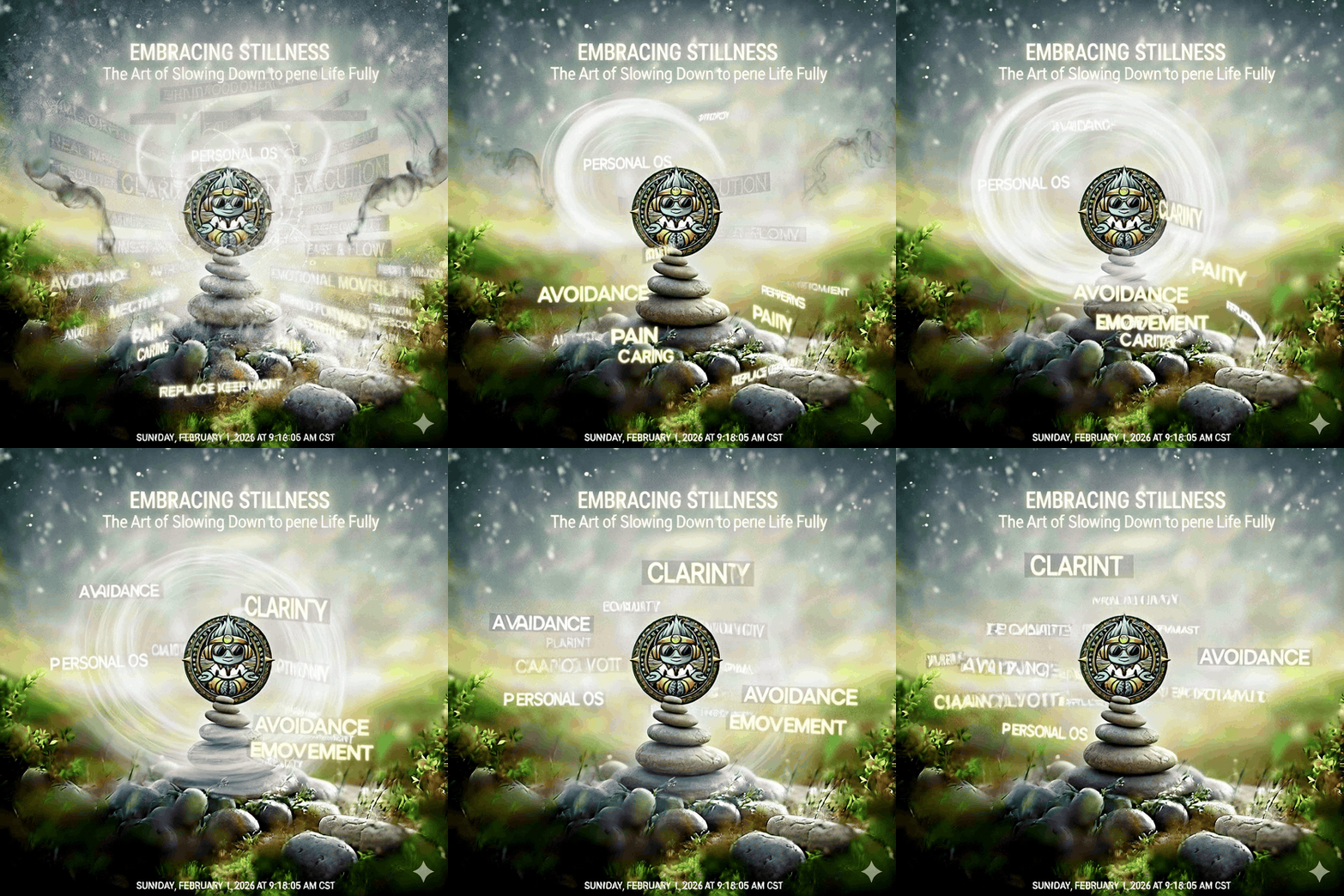
The Need for Speed: Understanding Our Fast-Paced Lives
In contemporary society, the relentless pursuit of speed has become a defining characteristic of our daily existence. With technological advancements and the ubiquity of connectivity, we find ourselves bombarded with information that demands immediate attention, fostering an environment where rapid responses are not just expected but celebrated. This cultural norm often leads individuals to prioritize efficiency over experience, where the quality of moments is overshadowed by the urgency to move on to the next task.
The impact of this fast-paced lifestyle extends far beyond mere productivity. Research increasingly highlights the negative implications on mental and emotional well-being, as chronic rushing can lead to heightened levels of stress and anxiety. The pressure to meet societal expectations of success encourages individuals to adopt a mindset that values speed as an indicator of achievement, often leaving little room for introspection or genuine engagement with life’s moments.
This constant race against time fosters a disconnect between individuals and their surroundings. Many find themselves merely existing in a whirlwind of obligations and distractions, unable to savor experiences that could enhance their quality of life. The art of slowing down becomes a revolutionary act in this context, offering a pathway to reconnect with ourselves and the world. By consciously choosing to embrace stillness, we can actively counter the prevailing speed culture, thereby promoting more profound engagement with our thoughts, feelings, and the reality around us.
Acknowledging the need for speed in our lives does not imply rejecting progress or efficiency; rather, it is a call to re-evaluate our priorities. The challenge lies in balancing the demands of modern life with the profound benefits that come from a more measured approach to existence. By understanding the pressures that fuel our urge to rush, we can begin to redefine what it means to truly experience life.
The Power of Simplicity: Creating Space for Presence
Simplifying our lives can have profound effects on our ability to be present and engage meaningfully with our surroundings. The concept of minimalism poses a compelling approach to achieving this goal. By intentionally reducing both physical and mental clutter, we create an environment conducive to mindfulness and genuine connection. The journey towards minimalism begins with an assessment of what truly adds value to our lives.
To initiate this process, one can start by decluttering personal spaces. Begin with small areas, such as a single drawer or a desk. Remove items that do not contribute to your happiness, functionality, or well-being. This act of decluttering not only clears physical space but also alleviates mental burdens, thereby enhancing one’s capacity to live in the moment. The simplicity that emerges allows individuals to focus on what truly matters, fostering deeper connections and experiences.
Beyond decluttering physical spaces, it's essential to consider time management and commitments. Evaluate your schedule and identify activities or engagements that may be draining or unfulfilling. Learning to say no to non-essential tasks can create more time for valuing presence and engaging with life more fully. The emphasis here is on quality rather than quantity, ensuring that each moment spent is enriched and purposeful.
Moreover, embracing a minimalist mindset encourages a deeper appreciation for everyday moments. Engaging in practices such as mindfulness meditation or simply enjoying solitude can foster a sense of peace and contentment. By prioritizing simplicity, we can cultivate a life that invites stillness, allowing joy and authenticity to flourish in our daily interactions.
Deep Presence: The Joy of Experiencing Life Fully
In our fast-paced world, the concept of deep presence becomes increasingly significant. Deep presence refers to the practice of being fully engaged in the moment, allowing individuals to truly savor their experiences. This state of mindfulness enables a richer understanding of life, enhancing the quality of interactions, creativity, and overall personal fulfillment.
When one embraces a slower pace, it opens the door to deeper connections with others. For instance, consider the story of Lisa, who decided to limit her screen time and prioritize face-to-face interactions. By slowing down, she discovered that her conversations became more meaningful, fostering relationships built on genuine understanding and empathy. Such positive transformations occur when individuals dedicate their attention to the people around them, creating bonds that are often overlooked in a hurried lifestyle.
Furthermore, slowing down can spark creativity, as it allows the mind to wander freely without the constraints of a rigid schedule. Take the renowned author Ryan, who found that stepping away from his desk and taking long walks in nature often led to his best ideas. By disconnecting from the constant demands of daily life, he allowed himself the mental space to explore new perspectives, resulting in more innovative and engaging content. Deep presence, in such cases, becomes a catalyst for unbounded creativity.
On a more personal level, embracing deep presence fosters a profound sense of fulfillment. Many individuals report feeling a greater appreciation for simple pleasures—like enjoying a meal without distractions or taking the time to watch a sunset. As individuals become more attuned to their surroundings and their own emotions, they often find clarity regarding their values and aspirations, leading to a more intentional and satisfying life.
Ultimately, cultivating deep presence through the art of slowing down enriches not only personal experiences but also elevates interactions with others, magnifying the beauty found in everyday life.
Practical Steps to Slow Down and Simplify Your Life
To embrace the art of slowing down, individuals can implement several practical steps that foster mindfulness and intentional living. One effective strategy involves the practice of mindfulness, which encourages being present in the moment. Mindfulness can be cultivated through activities such as meditation, focused breathing exercises, or simply taking a walk in nature. These practices promote heightened awareness and a greater appreciation of life’s simple pleasures.
Setting boundaries with technology is another crucial aspect of simplification. In today’s digital age, constant notifications can lead to feelings of overwhelm. Establish specific times during the day to disconnect from devices, allowing for uninterrupted time to engage in other fulfilling activities. This can be complemented by creating phone-free zones, particularly during meals or before bedtime, to improve mental clarity and promote relaxation.
Developing daily rituals can also enhance the experience of slowing down. Establishing a morning or evening routine centered around reflection, such as journaling or reading, can provide space for personal insight and clarity. These rituals can serve as anchors in a busy day, creating opportunities for pause and contemplation.
Finally, prioritizing self-care is essential in the journey toward a simplified existence. This may include setting aside time for hobbies, engaging in physical activity, or pursuing relaxation techniques such as yoga or aromatherapy. By nurturing one’s physical and emotional well-being, individuals can cultivate a more balanced and fulfilled life.
In conclusion, these practical steps serve as a guide to embracing stillness in daily life. By integrating mindfulness, establishing technology boundaries, creating reflective rituals, and prioritizing self-care, individuals can experience a profound transformation in their relationship with time and self.