
Embracing Mental Flexibility: Navigating Life’s Unexpected Turns
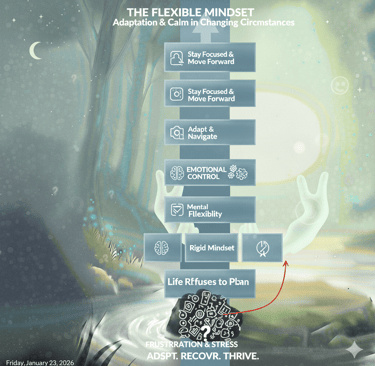
When life refuses to follow the plan, a rigid mindset creates frustration and stress. This post explores how mental flexibility helps you adapt, stay focused, and move forward calmly even when circumstances change.
Derek Innes
1/23/20264 min read

Understanding Rigid Mindsets
A rigid mindset refers to a fixed way of thinking that exhibits inflexibility towards new ideas, experiences, or changes. Individuals with rigid mental frameworks often struggle to adapt when they encounter unexpected situations or challenges. This inflexibility can manifest in various aspects of life, resulting in increased stress and frustration when confronted with outcomes that differ from one's expectations. For instance, a person who firmly believes that there is only one correct way to perform a task may become overwhelmed and anxious when required to consider alternative approaches. This propensity for rigidity can impede personal and professional development, as opportunities for growth often arise from embracing change.
Rigid thinking is characterized by an inability to entertain diverse perspectives or to engage in critical self-reflection. This can lead to a dichotomy of thought - viewing situations as purely black or white, rather than recognizing the spectrum of possibilities that exist. For example, someone with a rigid mindset may perceive a constructive critique as a personal attack, ultimately resulting in resentment or withdrawal. Such reactions not only harm interpersonal relationships but also stifle collaboration and problem-solving in team environments.
The psychological ramifications of maintaining a rigid mindset can be profound. Research links inflexibility with conditions such as anxiety, depression, and low self-esteem, as individuals may feel trapped in their perspectives and behaviors. The pressure to conform to a singular narrative can generate inner conflict and dissatisfaction, particularly when life does not unfold as anticipated.
In contrast, a flexible mindset allows for adaptability, resilience, and a willingness to evolve. By understanding the characteristics and consequences of rigidity in thought and behavior, individuals can begin to recognize its limitations and explore the benefits of embracing mental flexibility in their lives.
The Benefits of Mental Flexibility
Mental flexibility is an essential trait that enables individuals to adjust their thoughts and behaviors in response to changing circumstances. Cultivating a flexible mindset can provide numerous advantages, significantly enhancing one’s ability to cope with life’s uncertainties. One of the primary benefits of mental flexibility is the ability to adapt to change. In an ever-evolving world, the ability to modify plans and strategies can lead to more effective problem-solving and more resilient behavior when faced with unexpected challenges.
For instance, individuals who embrace mental flexibility often demonstrate greater resilience in the workplace as they navigate shifts in projects or team dynamics. Rather than clinging to a rigid approach, they assess new information and pivot accordingly, which can lead to innovative solutions and successful outcomes. This adaptability not only fosters a proactive approach to problem-solving but also encourages a mindset focused on growth and learning, rather than fear of failure.
Moreover, mental flexibility contributes to enhanced creativity. When individuals allow their minds to explore various possibilities instead of conforming to traditional patterns, they often generate original ideas and approaches. This creative thinking not only benefits personal projects but also enriches collaborative efforts, as diverse perspectives blend harmoniously to create something new.
In addition to practical advantages, mental flexibility has profound psychological and emotional benefits. By reducing the rigidity of thought, individuals experience decreased stress levels, as they become less likely to dwell on uncontrollable aspects of life. Such mental adaptability can pave the way for improved relationships, as flexible individuals usually find it easier to empathize with others and negotiate conflicts more constructively. Overall, the embrace of mental flexibility can greatly enhance one’s quality of life, creating a more peaceful existence while fostering personal and communal growth.
Practical Strategies for Developing Mental Flexibility
Developing mental flexibility is a crucial step for effectively navigating the uncertainties and challenges life presents. There are several actionable strategies that individuals can incorporate into their daily routines to enhance their capacity for mental adaptability.
One effective technique is mindfulness practice. Engaging in mindfulness meditation can help cultivate a heightened awareness of one’s thoughts, emotions, and bodily sensations. By focusing on the present moment without judgment, individuals can learn to observe their thought patterns and emotional responses without immediately reacting to them. This practice not only reduces stress but also allows one to approach unexpected situations with a more open mindset.
Cognitive reframing is another powerful method for fostering mental flexibility. This strategy involves monitoring one’s thoughts and consciously reshaping negative or rigid perceptions into more positive and constructive viewpoints. For example, instead of viewing a missed opportunity as a failure, one might reframe it as a chance to learn and grow. By shifting perspectives, individuals can better adapt to changing circumstances, ultimately leading to improved problem-solving and resilience.
Embracing uncertainty is also essential for enhancing mental flexibility. Life is inherently unpredictable, and learning to accept this can be liberating. To practice this, one might intentionally place themselves in unfamiliar situations, such as trying a new hobby or exploring a different route to work. This exposure can reduce anxiety associated with change and foster a more accepting attitude toward life’s unpredictability.
Incorporating these strategies into daily routines can significantly enhance mental flexibility over time. Small, consistent changes can lead to transformative results, allowing individuals to better navigate life’s unexpected turns with resilience and grace.
Moving Forward Calmly: Maintaining Focus Amidst Change
Life is inherently unpredictable, often presenting unforeseen changes that challenge our mental and emotional stability. To effectively navigate these uncertainties, it is essential to cultivate a mindset of mental flexibility that allows for calmness and focus amid change. One of the foundational techniques for achieving this is goal-setting. Establishing clear, achievable goals provides direction, helping to counteract the disorientation that can accompany life's unexpected turns. When facing an unforeseen challenge, a well-defined goal serves as a compass, guiding our decisions and actions.
Prioritization is another critical aspect of maintaining focus. In times of uncertainty, it becomes increasingly important to identify and concentrate on the most pressing tasks. This ensures that energy and resources are allocated efficiently, minimizing the risk of feeling overwhelmed. Creating a list of priorities can aid in visualizing what requires immediate attention versus what can wait. Such organization fosters a sense of control, enhancing one’s ability to remain calm as challenges arise.
Moreover, developing an action plan tailored for unexpected events can significantly bolster one’s resilience. An action plan encompasses strategies and resources that can be employed in response to specific situations. By anticipating potential scenarios and preparing accordingly, individuals can reduce anxiety associated with the unknown. This preparation not only enhances confidence but also reinforces an adaptable mindset.
Ultimately, embracing change as an opportunity for growth and learning is crucial. Viewing challenges through this lens fosters a sense of curiosity, driving personal development and resilience. This proactive approach allows individuals to remain focused and maintain their calm, adapting to change with a positive and open attitude.