
Embracing Aging: A New Perspective on Growing Older
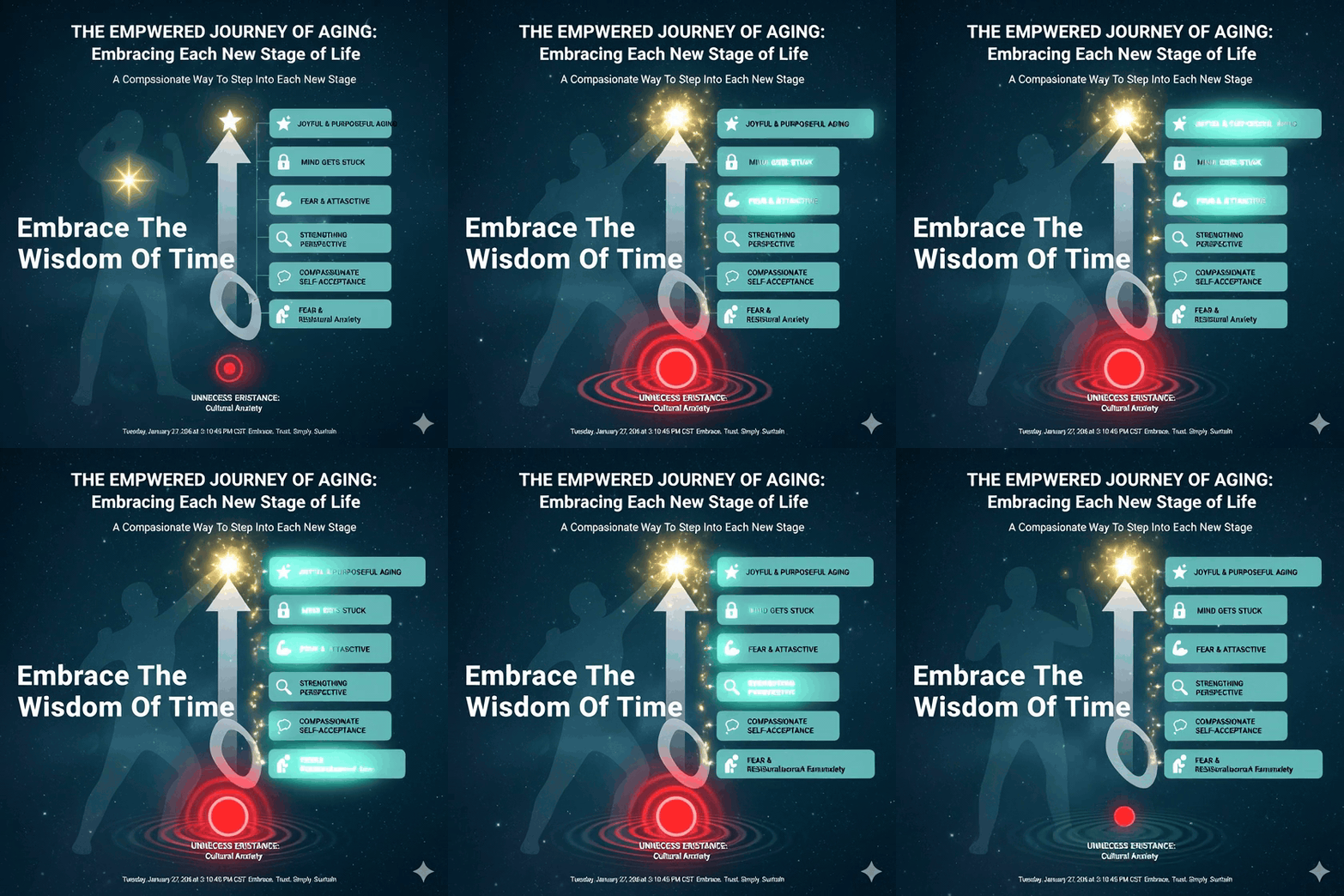
Aging is often treated as something to resist or fear, but it does not have to be. This reflection explores how cultural beliefs shape our anxiety about growing older and offers a more empowering, compassionate way to step into each new stage of life.
Derek Innes
1/27/20264 min read
Understanding Cultural Attitudes Towards Aging
Aging is a universal experience that is perceived differently across various cultures, profoundly affecting individual attitudes and societal beliefs. In some cultures, elders are regarded with immense respect and reverence, symbolizing wisdom and experience. For instance, in many Asian cultures, the concept of filial piety emphasizes the importance of honoring one’s parents and ancestors, instilling a sense of value in the older demographic. In these contexts, older individuals are often viewed as vital contributors to communal knowledge and family cohesion.
Conversely, Western cultures frequently celebrate youth and vitality, occasionally leading to negative perceptions of aging. The emphasis on physical appearance and productivity can foster feelings of inadequacy and anxiety about growing older. Media representations in these cultures often depict aging with a sense of loss or decline, reinforcing stereotypes that equate aging with a decrease in desirability and capability. Such portrayals can contribute to an inherent stigma surrounding the aging process, resulting in increased social pressure to maintain youthfulness.
The contrast between revering elders and prioritizing youth highlights a critical issue: how cultural narratives shape personal experiences of aging. Those exposed to cultures that honor their elders may retain a more positive perspective on aging, viewing it as a natural and respected phase of life. In contrast, individuals living in youth-oriented societies may battle with feelings of fear and resistance when confronting their own aging.
Additionally, literature often reflects these cultural attitudes, shaping perceptions of aging through narratives that either empower older adults or diminish their relevance. Ultimately, understanding cultural attitudes towards aging is crucial to fostering a more inclusive dialogue about this inevitable life stage, enabling individuals to embrace aging with a renewed perspective.
As society continues to advance, the lens through which we view aging can often be marred by fear and resistance. This negative perspective on growing older has notable psychological ramifications that can affect both mental and physical health. Anxiety regarding age can manifest in various ways, including stress and depression, which may subsequently lead to a myriad of health issues. Studies have shown that individuals who harbor negative beliefs about aging are more likely to experience increases in emotional distress and diminished overall well-being.
Ageism, a form of discrimination based on age, plays a significant role in shaping self-perception and societal perspectives. This bias can lead individuals to internalize negative stereotypes associated with aging, fostering a sense of inadequacy and diminished self-worth. Consequently, as people confront the realities of aging, they might resist it, attempting to adhere to societal standards that glorify youthfulness. This resistance often leads to a counterproductive cycle where the pressure to appear young can exacerbate the natural aging process—both psychologically and physically.
Moreover, the societal fixation on maintaining a youthful appearance contributes to an environment where the natural process of aging is stigmatized. Invalidating the beauty of aging can hinder personal growth and fulfillment, as individuals may feel compelled to chase youthful ideals rather than embracing their current life stage. This persistent anxiety and fear surrounding aging can ultimately lead to significant detriments in one's quality of life. Therefore, cultivating a more positive perspective on aging is imperative for fostering mental resilience and embracing the transformations that come with each life stage.
Reframing Aging: From Fear to Empowerment
Aging is often accompanied by a societal narrative steeped in negativity, leading to fear and anxiety about the process. However, by reframing our outlook on aging, we can transform this life stage into a journey filled with opportunities for growth, empowerment, and fulfillment. One effective strategy for changing this narrative is through the embrace of lifelong learning. Engaging in continuous education, whether formal or informal, allows individuals to develop new skills, broaden their knowledge, and remain mentally stimulated. This helps foster a sense of purpose and relevance, which is crucial in combating stereotypes associated with aging.
Moreover, redefining success in later years plays a pivotal role in empowering older adults. Traditional metrics of success, such as career achievements or financial status, may shift as one ages. Instead, finding fulfillment in personal relationships, hobbies, or contributions to the community can significantly enhance one's sense of accomplishment. Valuing experiences over material gains encourages a more positive perspective on what it means to be successful as we grow older.
Additionally, fostering a supportive community cannot be overstated. Surrounding oneself with a network of friends, family, or peers who share similar experiences can create an environment of encouragement and understanding. Engaging in group activities or community service projects not only facilitates social connections but also reinforces the idea that aging is not a solitary journey. When individuals see others embracing the aging process with confidence, it reinforces the notion that wisdom and strength grow with age. In sum, by adopting these strategies and prioritizing personal growth, we can transition from a fear-based perspective of aging to one that celebrates the unique journey of life, rich with knowledge and experience.
Cultivating Compassion Towards Aging: A Personal Journey
Aging is often perceived through a lens of fear and denial, yet embracing this natural process can transform our perspective on life. My personal journey with aging has taught me invaluable lessons about self-acceptance and the importance of cultivating compassion for oneself. This means acknowledging the changes that come with age—both physical and emotional—and viewing them as opportunities for growth rather than drawbacks.
Practicing self-care has been instrumental in my ongoing journey. Engaging in activities such as mindfulness meditation, gentle yoga, and regular exercise has not only improved my physical health but has also nurtured my mental well-being. Mindfulness techniques, like focusing on my breath or observing my thoughts without judgment, allow me to remain grounded in the present moment. These practices encourage a non-judgmental awareness of my aging body and mind, highlighting the inherent value of each experience.
Moreover, I have discovered that adopting a compassionate attitude can significantly enhance overall well-being. This involves treating oneself with the same kindness and understanding that one would offer a dear friend. Reflecting on inspiring stories of individuals who have embraced their aging with grace and positivity can further motivate this compassionate approach. For instance, there are remarkable stories of seniors who have pursued new passions, traveled the world, or shared their stories, showcasing resilience and joy despite the challenges that might accompany aging. Their experiences remind us that growing older can be a celebration of life’s rich tapestry rather than a time of loss.
In nurturing compassion for our own aging journey, we can cultivate not only personal growth but also inspire others to do the same. It is a path towards embracing the beauty of aging, recognizing that our experiences can strengthen our character and enrich our lives.