
Creating Lasting Change: The Science Behind Sustainable Life Transformations
Lasting change doesn’t come from motivation spikes or vague resolutions. This post breaks down why most attempts fail and outlines practical, evidence-based ways to create meaningful life changes that actually stick—through clarity, small steps, commitment, and resilience.
Derek Innes
1/27/20264 min read
Understanding the Limitations of Motivation and Resolutions
Many individuals embark on the journey of self-improvement with high hopes, often driven by sudden bursts of motivation or vague resolutions. However, psychological research suggests that relying solely on these transient motivational spikes can lead to disappointment and failure in achieving long-lasting change. The predisposition to assume that motivation alone will sustain change is a common pitfall that warrants examination.
At the heart of this issue is the distinction between intrinsic and extrinsic motivation. Intrinsic motivation derives from within; it is the internal desire to perform a task for its inherent satisfaction. This form of motivation is frequently associated with deeper, more enduring transformations since it aligns with personal values and interests. In contrast, extrinsic motivation stems from external factors, such as rewards, recognition, or societal pressure. These can provide short-term incentives but often fail to create sustainable change; the enthusiasm diminishes once the external rewards are removed.
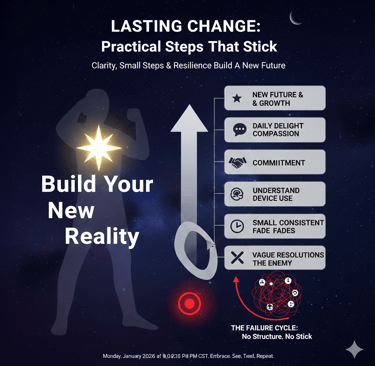
Additionally, vague resolutions lack the specificity that is crucial for successful long-term change. When individuals set broad goals—such as "getting fit"—there is often a disconnect between the aspiration and the actionable steps required to achieve it. Clear, measurable objectives are essential in fostering a reliable framework that guides individuals toward their transformation. An approach grounded in setting manageable milestones allows for continuous progress, which, in turn, reinforces intrinsic motivation.
In light of these insights, it becomes evident that motivation, while valuable, should not be the sole driving force behind life changes. Understanding the differences between intrinsic and extrinsic motivation, coupled with the establishment of clear, actionable goals, can foster an environment conducive to sustained personal transformation. This perspective allows for growth despite the inevitable fluctuations in motivation levels.
The Power of Clarity in Defining Change
Clarity is a vital element in the journey toward creating sustainable life transformations. When individuals embark on the process of change, having specific, measurable, and realistic goals is essential as opposed to vague aspirations that may lead to confusion and frustration. Establishing clear objectives provides a roadmap, making it easier to track progress and adjust actions as necessary. Clarity eliminates ambiguity, allowing individuals to focus their energy on achieving tangible results.
One effective strategy for setting clear goals involves using the SMART criteria: goals should be Specific, Measurable, Achievable, Relevant, and Time-bound. This framework encourages individuals to articulate their goals clearly and ensures a structured approach. For instance, rather than stating a desire to "get fit," specifying that one aims to "exercise for 30 minutes at least three times a week for the next three months" provides a more actionable path forward.
Additionally, reflection and self-assessment play a crucial role in enhancing clarity in defining change. Regularly evaluating one’s progress and understanding the factors that contribute to or hinder that progress allows for thoughtful adjustments. This adaptive approach not only reinforces motivation but also aligns personal values with the goals set. When change objectives resonate with one’s core principles, commitment to achieving those objectives increases significantly.
Moreover, cultivating clarity requires ongoing introspection. Engaging in practices such as journaling or discussing aspirations with trusted individuals can lead to deeper insights. These practices help in uncovering underlying motivations and ensuring that goals truly reflect personal desires rather than external expectations. By prioritizing clarity in defining change, individuals can embark on their transformative journeys with enhanced focus and purpose, ultimately leading to more sustainable outcomes.
Implementing Small Steps for Big Changes
In the pursuit of lasting change, it is essential to recognize the value of implementing small, incremental steps. This principle is grounded in the belief that sustainable transformations stem from gradual progress rather than overwhelming leaps. Psychological research supports the idea that taking smaller steps can ease the anxiety often associated with significant change. When individuals focus on manageable tasks, they reduce the perceived difficulty of their goals, thereby fostering motivation and maintaining momentum.
To effectively initiate this approach, one can start by breaking down larger ambitions into achievable tasks. For example, someone aiming to improve their physical health could begin by incorporating a short daily walk rather than committing to an intense workout regimen. This small, yet impactful step not only makes the overarching goal less daunting but also instills a sense of accomplishment, reinforcing positive behavior.
Furthermore, applying behavioral psychology techniques can enhance the effectiveness of small steps. The use of positive reinforcement, such as rewarding oneself after completing a task, can effectively motivate individuals. Likewise, setting specific, measurable, achievable, relevant, and time-bound (SMART) objectives allows for clear tracking of progress and instills a sense of purpose in the journey towards a larger goal.
Each completed small step builds confidence and encourages individuals to continue pushing their boundaries. This strategy is applicable across various areas of life, from personal development to professional aspirations. For instance, a student aiming to excel academically might start by dedicating just ten minutes a day to review material, gradually increasing their study time as they adjust to the routine.
In summary, implementing small steps can lead to significant life changes. By focusing on manageable tasks, individuals can steadily progress towards their larger objectives while minimizing the risk of burnout. This method not only cultivates a constructive mindset but also lays the groundwork for enduring transformations.
Cultivating Commitment and Resilience to Overcome Obstacles
The journey of creating lasting change is rarely linear; it is often accompanied by challenges and setbacks that can deter individuals from their goals. Therefore, cultivating a mindset of commitment is imperative to navigating these obstacles effectively. One of the most effective strategies for nurturing this commitment is establishing accountability mechanisms. This may include having an accountability partner, a coach, or participating in support groups where individuals can share their experiences, challenges, and victories. The presence of an accountability system not only provides motivation but also reinforces commitment to one’s goals.
Support systems play a critical role as well. These systems can consist of friends, family, or community members who uplift and encourage personal growth. Having a reliable support network not only enhances motivation but also offers practical advice and emotional support during difficult times. Engaging in open conversations about struggles and setbacks can demystify the challenges and make them feel more manageable, thus strengthening the individual’s resolve to pursue their transformation journey.
Another pivotal component in burgeoning commitment is the practice of self-compassion. Understanding and accepting that obstacles are a natural part of the journey allows individuals to approach challenges with kindness rather than self-reproach. This mindset fosters resilience, which can be further cultivated through the embrace of failure as an essential aspect of the learning process. By viewing setbacks as opportunities for growth, individuals can develop a robust growth mindset, which not only aids in overcoming immediate challenges but also prepares one for future ones. Therefore, by integrating these strategies of commitment and resilience into daily life, individuals can become better equipped to navigate the complexities of sustainable life transformations.