
A Lack of Sleep Makes It Hard to Take Action
When sleep is disrupted by insomnia, sleep apnea, or chronic night waking, our ability to focus and take action quietly erodes. This post explores how poor sleep affects motivation and clarity, why self-compassion matters, and how addressing both rest and the nervous system helps restore forward momentum.
Derek Innes
1/23/20262 min read
Over the past week, I found myself running on a sleep deficit.
I was waking up in the middle of the night and struggling to fall back asleep. For nearly a week, I was getting less than six hours of rest each night. My brain made it very clear that it was not happy about this.
There were a few personal situations that kept my mind active. Nothing catastrophic, and everything was ultimately okay. Still, uncertainty has a way of putting the brain into high-alert mode. Once that switch flips, especially at night, it can be difficult to calm things back down.
This kind of experience is familiar to anyone dealing with insomnia. When sleep becomes inconsistent, the bed stops feeling like a place of rest and starts feeling like a place of struggle. The harder you try to sleep, the more awake your mind becomes.
For others, the challenge is different but just as exhausting. Sleep apnea, disrupted breathing, or repeated micro awakenings throughout the night can leave the body technically asleep but never truly rested. Even when you spend enough hours in bed, you wake up feeling foggy, heavy, and depleted.
No matter the cause, the result is similar.
The days become harder. Not just because of physical tiredness, but because mental clarity disappears. Concentration becomes fragile. Emotional resilience drops. Simple tasks require more effort than they should.
I noticed that I wanted to get things done, but did not have the energy or focus to follow through. Emails piled up. Tasks lingered. That gap between intention and ability can feel discouraging and defeating.
Instead of pushing harder, I took a different approach.
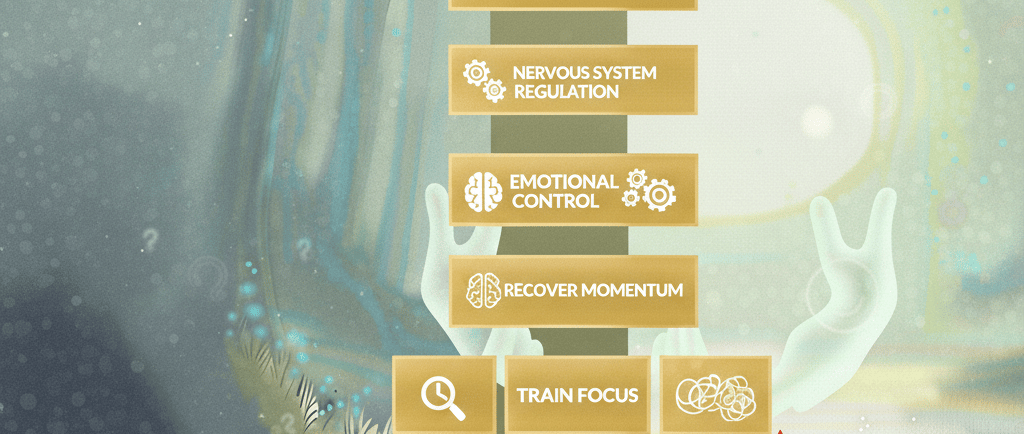
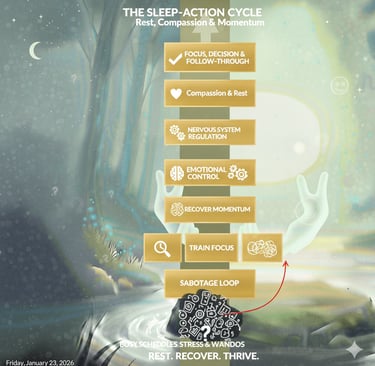
First, I gave myself compassion and grace. Poor sleep is not a personal failure. Insomnia is not a lack of discipline. Sleep apnea is not something you can will your way through. Expecting high performance while sleep-deprived only creates more stress, which further disrupts sleep.
Second, I allowed myself lower-capacity days. I focused on the minimum that truly needed attention and let the rest wait. This was not giving up. It was working with reality instead of fighting it.
Third, I addressed the underlying fear and nervous system activation. Sleep problems are often made worse by anxiety, uncertainty, and feeling unsafe or out of control. I focused on soothing that sense of threat. Reminding myself that I was safe, that things were manageable, and that I did not need to solve everything at night helped my system begin to settle.
Fourth, I prioritized rest in practical ways. Going to bed earlier when possible. Creating a gentler transition into sleep. Reducing stimulation in the evening. Showering, breathing, and meditating not to force sleep, but to support calm. For people dealing with ongoing sleep issues, this can also mean seeking proper support, whether that is medical evaluation for sleep apnea, cognitive approaches for insomnia, or changes to sleep environment and routines.
When rest returned, so did my ability to act.
After a solid night of quality sleep, my focus came back. Motivation felt natural again. I started clearing the backlog, writing, handling administrative work, and responding to messages. I did not finish everything, but I regained momentum, and that matters.
Sleep does more than restore energy. It restores agency. When you are rested, decisions feel easier. Effort feels possible. Life feels more navigable.
I am appreciating the value of sleep more than ever. If you are struggling with insomnia, sleep apnea, or ongoing sleep disruption, know that your difficulty is real, and it makes everything else harder. I hope you find support, rest, and nights that allow your mind and body to truly recover.